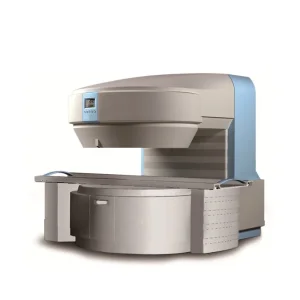
Explore our leading clinical-grade configurations, optimized for high-volume public hospitals and private diagnostic networks.
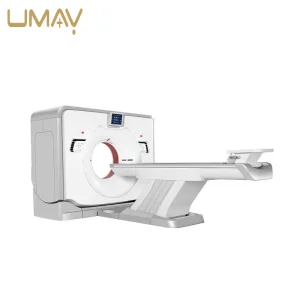
The demand for advanced medical imaging in Namibia has escalated rapidly. With private and public healthcare systems striving to eliminate patient travel bottlenecks to South Africa for advanced scans, localizing high-field Magnetic Resonance Imaging (MRI) technologies is key. Diagnostic providers in central regions like Khomas, and coastal hubs like Erongo, require reliable, high-uptime machinery engineered to withstand local conditions.
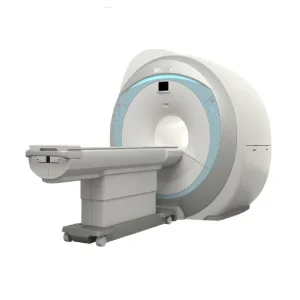
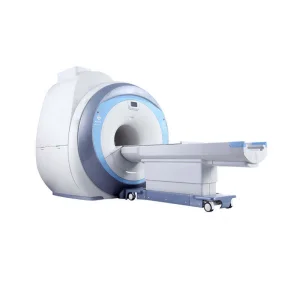
Dongguan Suffolk Medical Co., Ltd. addresses this gap by delivering robust, high-performance MRI scanners tailored to the specific environmental, electrical, and clinical conditions of Namibia. From high-field 1.5T superconducting scanners with zero-helium boil-off technology to low-maintenance permanent magnet 0.35T systems, we provide local clinicians with tools to perform precise neurological, musculoskeletal, and oncology imaging.
Equipped with intelligent energy-saving sleep modes and industrial-grade power conditioning interfaces to guard against grid instability.
Built-in secondary closed-loop cooling and temperature stabilization to handle Namibia's arid, high-temperature desert climates.

Addressing clinical demands with specialized machinery designed for structural durability, minimum liquid helium reliance, and smart AI imaging.
Traditional superconducting MRI scanners rely on regular liquid helium top-ups to maintain temperatures near absolute zero (-269°C). For hospitals in Namibia, sourcing and transporting liquid helium over vast distances from international suppliers presents major logistical hurdles, leading to high maintenance costs and potential downtime.
Our 1.5T Superconducting MRI features a sealed-loop cold-head refrigeration system that virtually eliminates helium boil-off. In clinical environments, this translates to years of continuous operation without needing a cryogen refill, dramatically lowering long-term operating costs.
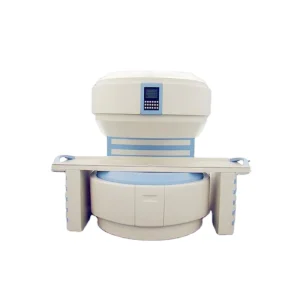
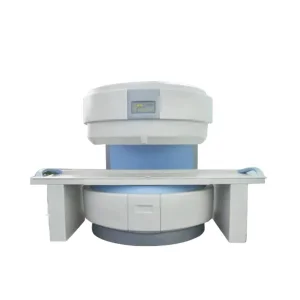
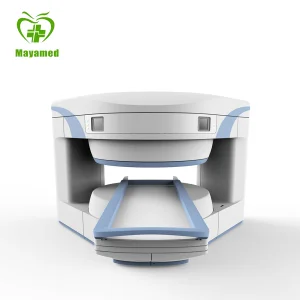
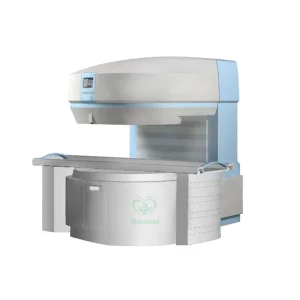
For rural clinics and regional district hospitals in areas like Kavango East or Kunene, our permanent magnet open MRI systems (0.3T - 0.5T) offer a highly practical alternative. Because these systems use permanent magnetic materials rather than superconducting coils, they require no liquid helium, use significantly less power, and operate reliably with simplified facility layouts.
To improve patient throughput and scan accuracy in under-staffed regions, our MRI scanners integrate Deep Learning Reconstruction (DLR) algorithms. This technology delivers key clinical benefits:
| Feature / Metric | Traditional Imaging | AI-DLR Enhanced System |
|---|---|---|
| Average Scan Time | 25–40 Minutes | 12–20 Minutes |
| Spatial Resolution | Standard Matrix | High-Definition Matrix |
| Motion Artifact Correction | Manual Retake Required | Automatic Real-time Correction |
| Helium Refill Cycle | 12–24 Months | Zero-Boil-Off (Sealed Cryostat) |
By accelerating scan times, medical centers in Windhoek can process more patients daily while reducing the discomfort associated with long scan times, particularly in pediatric and geriatric cases.
Understanding the economics of MRI scanners in public-private partnerships (PPPs) and private clinic models.
While urban private radiology practices in Namibia feature advanced diagnostic systems, regional state hospitals often face long waiting lists. Developing regional diagnostic hubs using mid-field (0.35T to 0.5T) or high-field (1.5T) MRI systems allows regional centers to handle routine neurological, orthopedic, and cardiovascular scanning locally, avoiding expensive patient transfers to Windhoek.
As an experienced OEM supplier, Dongguan Suffolk Medical Co., Ltd. provides customized turnkey diagnostic imaging solutions. We assist clients through every phase of implementation, from site planning and Faraday cage RF shielding installation to medical staff training and long-term service contracts.
Our manufacturing processes adhere to international standards, including ISO 13485, CE, and FDA-compliant parameters. We understand that medical equipment in Namibia must meet South African National Standards (SANS) and local Ministry of Health regulations. Our engineering team ensures that every installed machine meets all local compliance guidelines, providing a smooth path to clinical operation.

Dongguan Suffolk Medical Co., Ltd. is a leading China-based OEM supplier specializing in smart surgical and diagnostic equipment designed to enhance hospital safety and operational efficiency. With years of experience in the healthcare technology sector, Suffolk Medical is committed to delivering high-quality solutions that support modern clinical practices and patient care standards.
The company’s product portfolio covers a wide range of equipment, including advanced surgical instruments, patient monitoring systems, diagnostic imaging devices, sterilization tools, and integrated operating theatre solutions. Each product is developed with precision engineering and rigorous quality control to ensure reliability, accuracy, and compliance with international medical standards.
Dongguan Suffolk Medical emphasizes innovation and smart technology integration. Their equipment leverages digital interfaces, automated monitoring, and energy-efficient designs to improve workflow efficiency and reduce human error in clinical environments. The company also provides tailored OEM and ODM services, enabling hospitals, clinics, and medical distributors worldwide to access customized solutions that meet specific operational requirements.
Beyond product excellence, Suffolk Medical is dedicated to customer support and after-sales service, offering professional training, maintenance guidance, and technical consultation. Their global reach spans hospitals, specialized medical centers, and diagnostic laboratories, establishing a strong reputation for trustworthiness, performance, and innovation.
As a forward-looking healthcare technology provider, Dongguan Suffolk Medical Co., Ltd. continues to advance smart surgical and diagnostic solutions, empowering medical professionals with safe, efficient, and intelligent equipment that supports better patient outcomes.
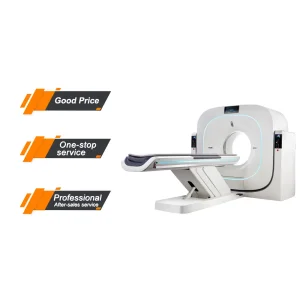
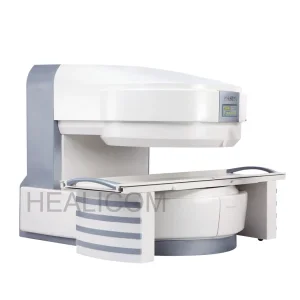
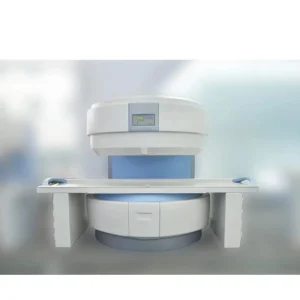
A comprehensive range of high-performance MRI, CT, and mobile scanning units engineered for diverse diagnostic environments.
Find answers to common questions about power requirements, shipping logistics, site preparation, and after-sales engineering support.
Superconducting 1.5T MRI scanners typically require a 380V/400V/415V three-phase electrical input with a dedicated transformer capable of delivering 80-100 kVA. Because of periodic power fluctuations and load shedding risks, we recommend installing an Uninterruptible Power Supply (UPS) system (minimum 80kVA for the console and electronics) along with an automatic voltage stabilizer to protect sensitive gradient coils and RF power amplifiers from sudden power surges.
Traditional systems require periodic liquid helium top-ups, which can be expensive and logistically difficult to coordinate. Our sealed-loop, zero-boil-off technology uses advanced cryogenic cold-heads that continuously condense vaporized helium back into liquid form. This system reduces helium loss to virtually 0% under standard operating conditions, minimizing maintenance visits and shielding your hospital from global helium price volatility.
Every MRI installation requires a custom-built RF (Radio Frequency) shielding cabin—commonly called a Faraday cage. This cage prevents external radio signals (such as cellular networks, radio stations, and medical equipment transmissions) from degrading your scan images. For high-field systems, magnetic shielding (using silicon steel sheets) may also be required to contain the system's 5-gauss fringe field within the scan room, keeping surrounding medical equipment safe.
We provide comprehensive support for our diagnostic equipment installations. This includes structural facility design guidance, remote installation assistance, and onsite system commissioning by qualified biomedical engineers. We also provide hands-on operator training for your clinical radiographers, covering protocols, image optimization, and safety procedures. To ensure high uptime, we offer remote diagnostic support via cloud-based links, allowing our central team to troubleshoot system parameters and software settings in real time.
From order confirmation and configuration approval, manufacturing typically takes 45 to 60 days. Sea transit from our manufacturing facility to Walvis Bay Port adds approximately 30 to 40 days. Once the equipment arrives onsite and the RF shielding cabin is ready, assembly, calibration, magnet ramping, and shim tuning take about 10 to 15 working days.
Consult with our clinical imaging specialists to get detailed equipment specifications, custom floor plans, and a competitive commercial proposal.
 Suffolk Medical