The global rehabilitation equipment market is witnessing an unprecedented transformation. Driven by an aging population, the rising prevalence of chronic diseases, and an increasing number of sports-related injuries, the demand for sophisticated recovery tools has soared. Today, rehabilitation is no longer confined to the walls of a hospital; it has expanded into community centers, specialized clinics, and the comfort of patients' homes.
Industrial trends are shifting toward Smart Rehabilitation—the integration of IoT, AI-driven diagnostics, and robotics. Modern factories in China, such as Dongguan Suffolk Medical Co., Ltd., are at the forefront of this shift, leveraging advanced manufacturing to provide high-precision instruments that were once only available in top-tier research institutions. This evolution ensures that patients worldwide have access to therapy that is both effective and data-driven.
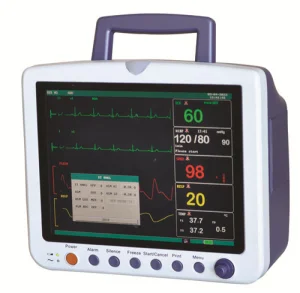
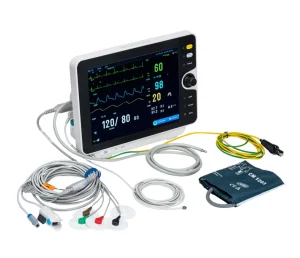
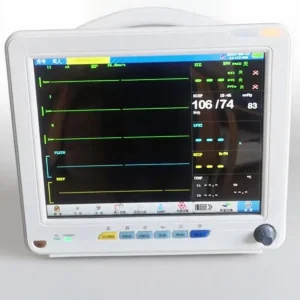
Utilizing machine learning algorithms to monitor patient vitals in real-time, allowing for predictive care and immediate clinical intervention.
Exoskeletons and robotic limbs are revolutionizing physical therapy, providing consistent, repeatable exercises that accelerate neural plasticity.
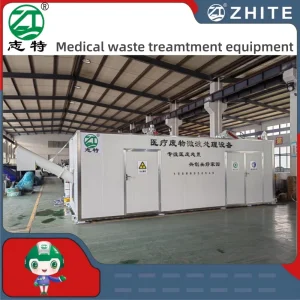
Advanced microwave and ozone sterilization technologies reduce the carbon footprint of medical waste management while ensuring 100% pathogen elimination.
Sourcing from China’s top rehabilitation equipment factories offers strategic advantages that go beyond cost-effectiveness. As the world's manufacturing hub, China has developed a robust ecosystem that integrates R&D, component sourcing, and high-tech assembly under one roof.
For global procurement officers, the focus has shifted from "Made in China" to "Innovated in China." The current industrial landscape emphasizes quality control protocols that rival European and North American standards, combined with the agility to adapt to new medical findings quickly.
Dongguan Suffolk Medical Co., Ltd. is a leading China-based OEM supplier specializing in smart surgical and diagnostic equipment designed to enhance hospital safety and operational efficiency. With years of experience in the healthcare technology sector, Suffolk Medical is committed to delivering high-quality solutions that support modern clinical practices and patient care standards.

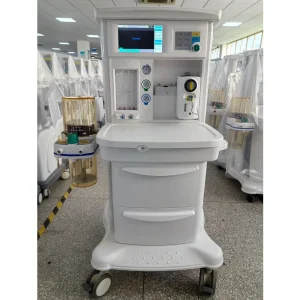
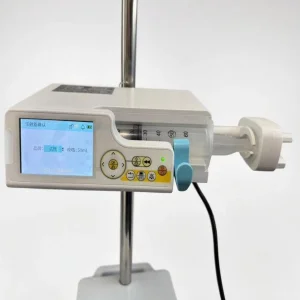
The company’s product portfolio covers a wide range of equipment, including advanced surgical instruments, patient monitoring systems, diagnostic imaging devices, sterilization tools, and integrated operating theatre solutions. Each product is developed with precision engineering and rigorous quality control to ensure reliability, accuracy, and compliance with international medical standards.
Dongguan Suffolk Medical emphasizes innovation and smart technology integration. Their equipment leverages digital interfaces, automated monitoring, and energy-efficient designs to improve workflow efficiency and reduce human error in clinical environments. The company also provides tailored OEM and ODM services, enabling hospitals, clinics, and medical distributors worldwide to access customized solutions that meet specific operational requirements.

Beyond product excellence, Suffolk Medical is dedicated to customer support and after-sales service, offering professional training, maintenance guidance, and technical consultation. Their global reach spans hospitals, specialized medical centers, and diagnostic laboratories, establishing a strong reputation for trustworthiness, performance, and innovation.
As a forward-looking healthcare technology provider, Dongguan Suffolk Medical Co., Ltd. continues to advance smart surgical and diagnostic solutions, empowering medical professionals with safe, efficient, and intelligent equipment that supports better patient outcomes.
Understanding the application scenario is critical for selecting the right equipment. Our range of sterilization and monitoring equipment is designed for diverse environments:
Global buyers today prioritize Total Cost of Ownership (TCO). Our equipment is engineered not just for low initial investment, but for long-term durability, low energy consumption, and minimal maintenance costs, ensuring that healthcare providers can focus their resources on patient care rather than equipment upkeep.
 Suffolk Medical