Suffolk Medical
1 / 5
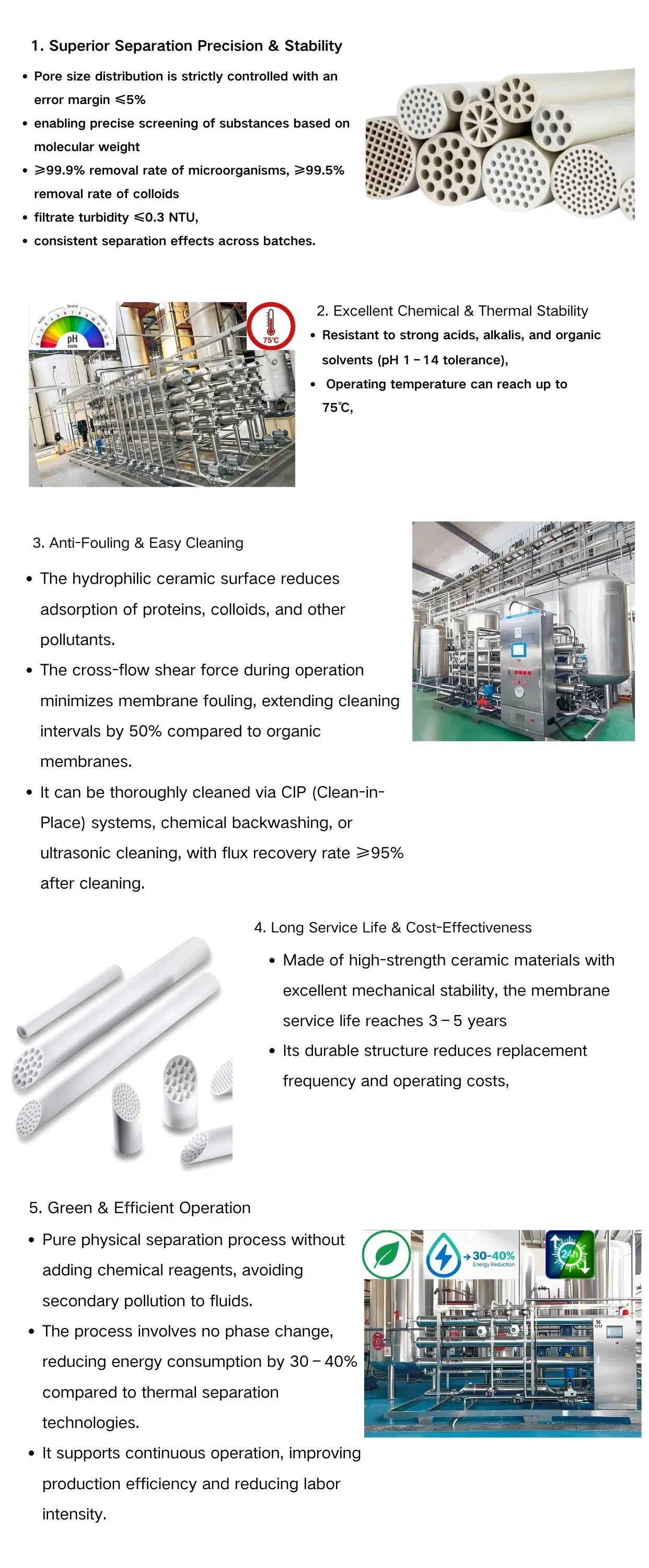
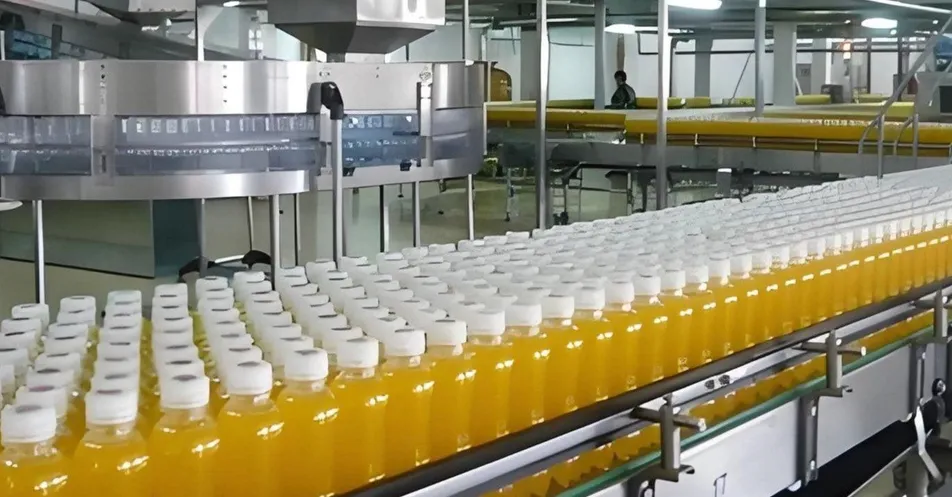
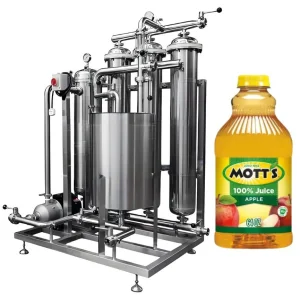
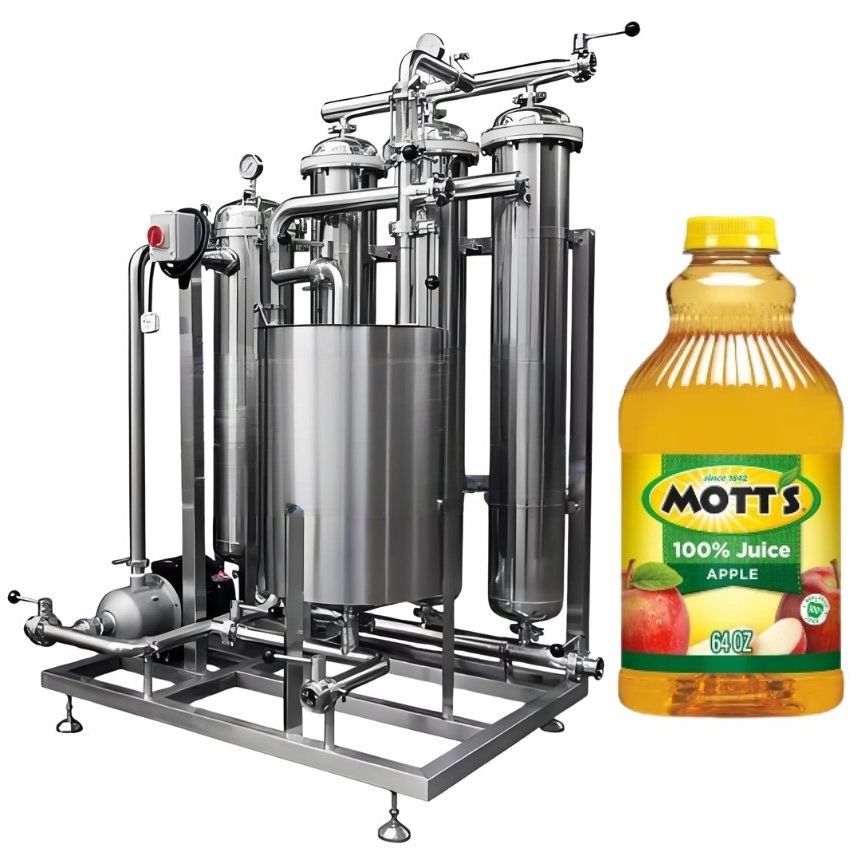
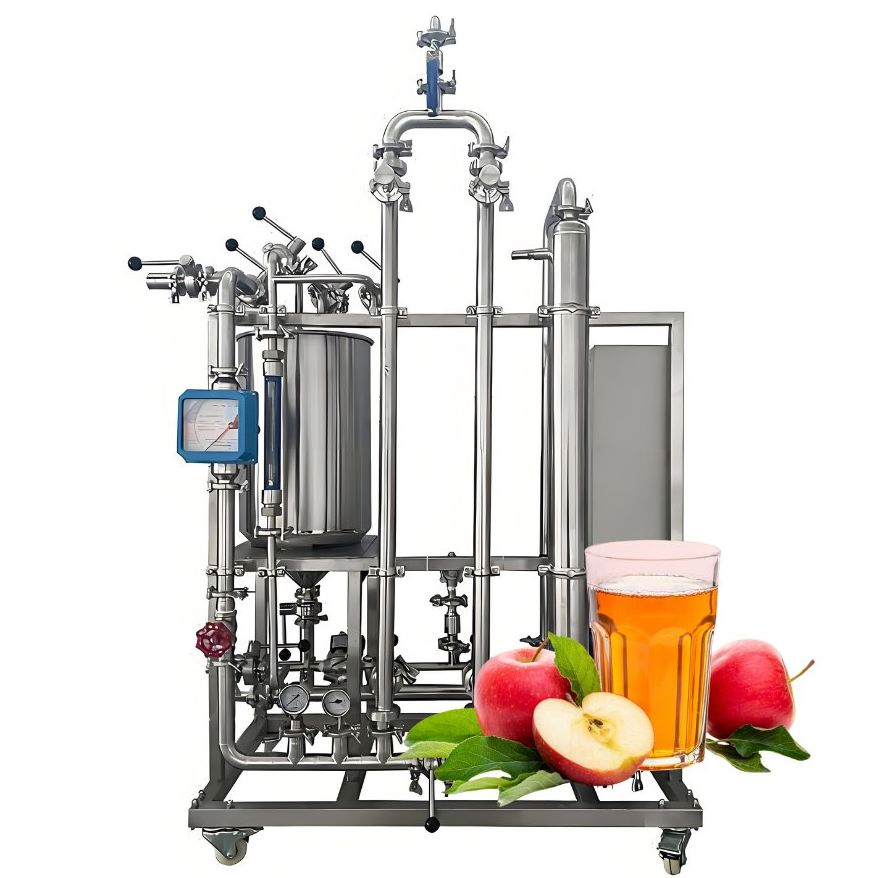
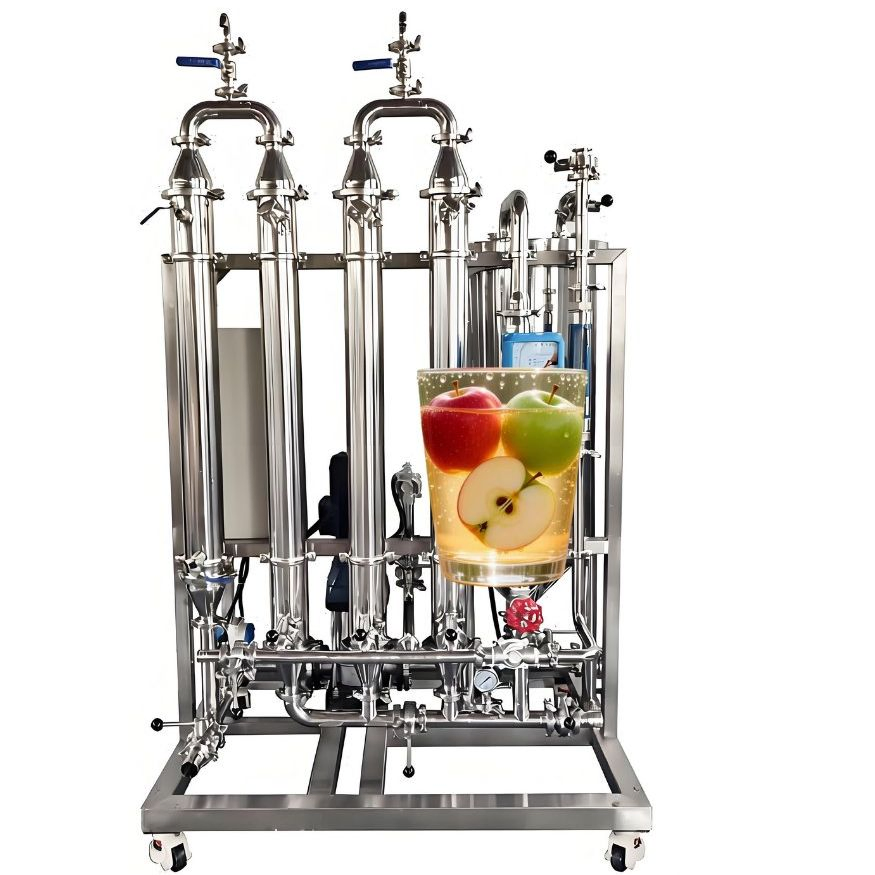
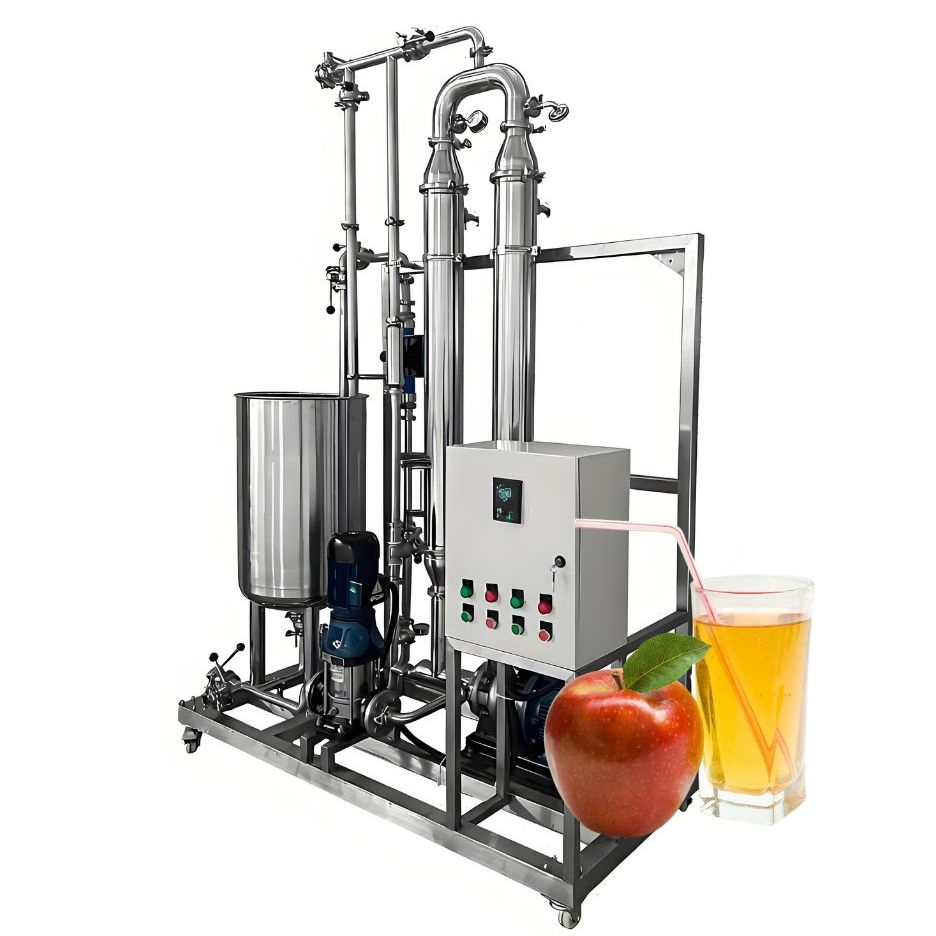
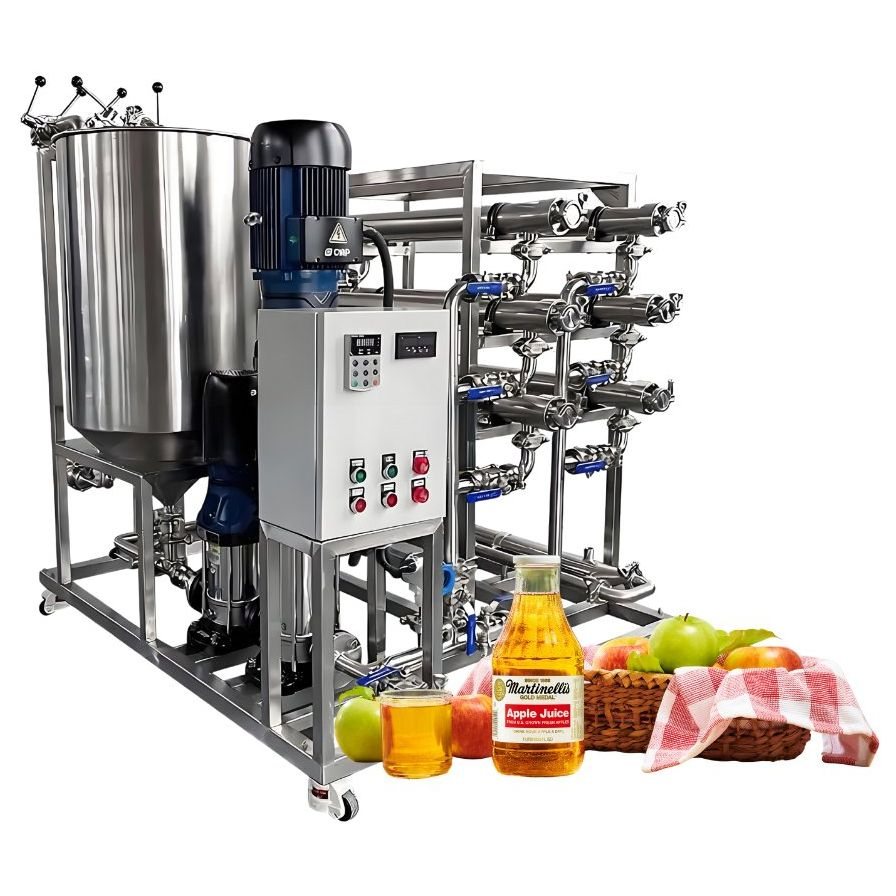
The Apple Juice Plant Sterilization, Clarification & Concentration Equipment is an integrated high-efficiency processing system designed for fruit juice deep processing. It integrates three core functions: impurity removal, sterilization, and concentration. Based on advanced membrane separation technology and low-temperature concentration technology, the system solves industry pain points such as juice turbidity, short shelf life, nutrient loss, and high transportation costs.
It is widely applicable to various fruit juices (e.g., orange juice, apple juice, mango juice) and functional fruit drinks, delivering clear, sterile, and high-concentration final products while maximizing the retention of natural flavors, vitamins, and active ingredients. It meets global food safety standards such as FDA, SC, and EU regulations.
The system adopts a "membrane separation + low-temperature concentration" combined process, realizing seamless connection of clarification, sterilization, and concentration without chemical additives.
Fresh fruit juice is filtered through a 5-10μm precision pre-filter to remove large-particle impurities, protecting subsequent membrane elements from clogging.
Ultrafiltration (UF) Clarification: Equipped with membranes (10,000–50,000 Da) that retain colloids, pectin, and proteins at room temperature (25–35℃).
Membrane Sterilization: Synchronously removes bacteria, yeasts, and molds with a sterilization rate of ≥99.99%, avoiding thermal damage.
Nanofiltration (NF) Pre-Concentration: Selective retention of sugars and organic acids, pre-concentrating juice to 25%–30% soluble solids.
Vacuum Low-Temperature Final Concentration: Further concentration at 40–60℃ to reach target solids (65%–70%), reducing energy consumption by 30%–50% compared to traditional methods.
| Component Unit | Core Equipment | Function |
|---|---|---|
| Pretreatment Unit | 5-10μm precision filter, buffer tank | Remove large particles & stabilize flow |
| Clarification Unit | UF/MF membrane module (PVDF/PES) | High-precision impurity removal & sterile filtration |
| Concentration Unit | NF membrane, vacuum concentrator | Low-temperature efficiency & nutrient retention |
| Control Unit | PLC automatic control system | Automated monitoring & stable quality |
| Cleaning Unit | CIP online cleaning system | Prevent fouling & extend membrane life |
| Parameter Category | Specification Range |
|---|---|
| Processing Capacity | 50–10,000 Kg/h |
| Clarification Membrane | UF/MF (pore size: 0.1–1 μm) |
| Concentration Temp | 40–60℃ (Vacuum) |
| Final Soluble Solids | 65%–70°Bx (Customizable) |
| Sterilization Rate | ≥99.99% |
| Material Contact | 304/316L Stainless Steel, Food-grade PVDF |
| Control System | PLC + Touch Screen |