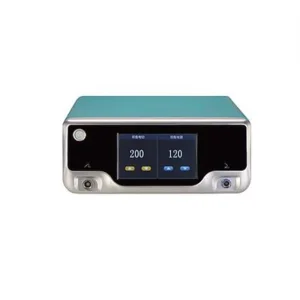
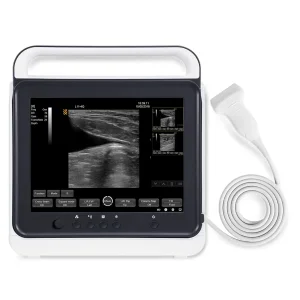
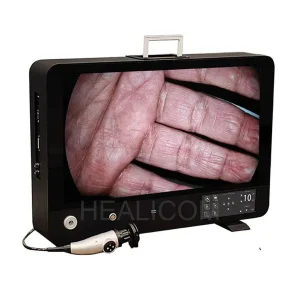
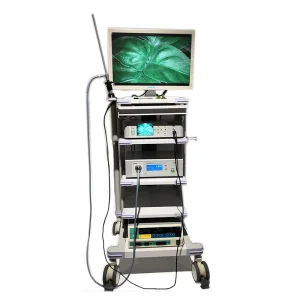
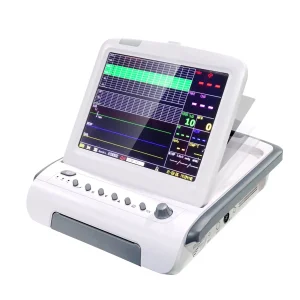
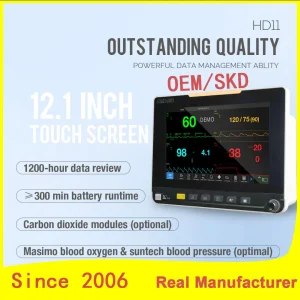
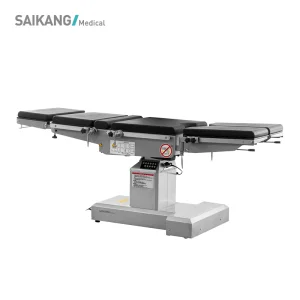
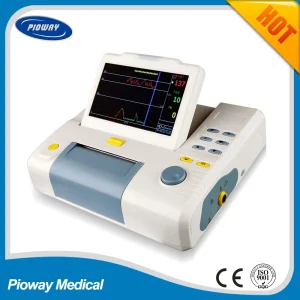
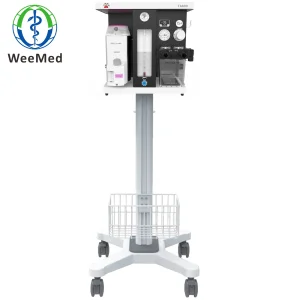
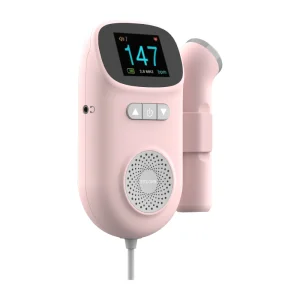
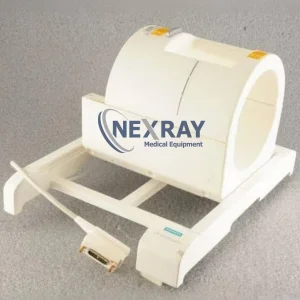
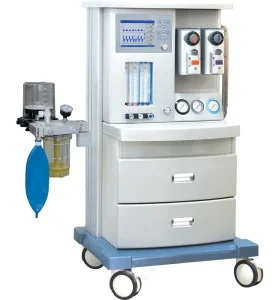
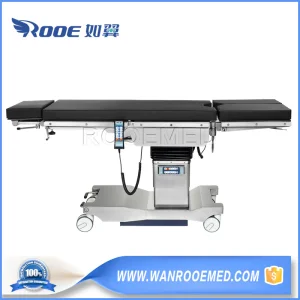
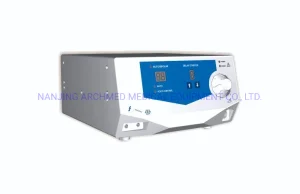
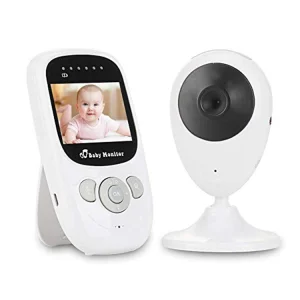
Explore our selection of integrated operating and diagnostic solutions designed to optimize clinical workflow efficiency.
In modern in-vitro diagnostics (IVD), urinalysis remains a vital cornerstone of preventive care, chronic disease management, and systemic diagnostic screening. Over the past decade, the global market for urine analyzers has undergone a major paradigm shift, transitioning from manual reagent strip readings to highly automated, cloud-connected, and AI-assisted diagnostic systems.
Urinalysis is no longer confined to basic dipstick color matching. Today's systems integrate complex technologies such as Reflectance Photometry, Flow Cytometry, and Digital Image Processing to detect microscopic particles, chemical composition changes, and cellular anomalies. These devices serve critical roles in identifying early-stage chronic kidney disease (CKD), urinary tract infections (UTIs), diabetic nephropathy, and metabolic disorders, minimizing the risk of misdiagnosis in fast-paced medical environments.
Unlike standard market reports, technical audits show that the integration of microfluidics in point-of-care (POCT) urine analyzers has reduced the required sample volume from 10mL to less than 1.5mL. This is a crucial factor for geriatric and pediatric diagnostics where sample collection is often limited.
Designed for tier-1 hospitals, executing over 200 tests per hour. These units utilize continuous loading racks and integrate sediment imaging directly with chemical testing modules to minimize manual interventions.
Compact, portable, and battery-operated. Ideal for small clinics and emergency rooms, these analyzers deliver instant results for basic parameters like pH, protein, glucose, and ketones within 60 seconds.
Configured specifically with multi-species reference parameters. These veterinary devices process samples with customized specific gravity calculations to match the physiological profiles of companion animals.
The global urine analyzer manufacturing ecosystem is highly concentrated but competitive, with major players driving technological innovations across different pricing tiers. When looking for the ideal manufacturer, distributors assess factors like detection limits, maintenance frequency, reagent locking policies, and service networks. Below is a structured analysis of the top 10 manufacturing entities that dominate the global market:
| Manufacturer Group | Headquarters | Primary Technology Focus | Key Strengths & Export Coverage |
|---|---|---|---|
| Sysmex Corporation | Japan | Fluorescence Flow Cytometry | Industry standard for high-accuracy sediment analysis; global clinical laboratory market. |
| Roche Diagnostics | Switzerland | Reflectance Photometry & Digital Imaging | Cobas series dominance; exceptional quality reagents and seamless LIS network integration. |
| Siemens Healthineers | Germany | Dry Chemistry & Clinitest Systems | Global pioneer in POC urinalysis; massive distribution infrastructure. |
| Arkray, Inc. | Japan | Dual-wavelength Photometry | Highly reliable desktop systems; widely exported to North America and Asia-Pacific. |
| Mindray Bio-Medical | China | Integrated Chemical & Sediment Systems | Cost-effective premium automation; major market share in developing and European nations. |
| DIRUI Industrial | China | Fully Automated Hybrid Systems | Extensive product breadth; robust exporter to over 120 countries. |
| URIT Medical Electronic | China | Micro-volume Analysis & POCT | High manufacturing capacity; dominant player in South America and Africa. |
| Dongguan Suffolk Medical | China | OEM/ODM Smart Diagnostic Units | Customized clinical configurations, medical cart system integration, and global ODM solutions. |
| Beckman Coulter | USA | iQ200 Automated Imaging Systems | Digital flow cell morphology systems for high-volume hospital labs. |
| Y D Diagnostics | South Korea | Uriscan Chemistry Analyzers | Compact laboratory solutions; strong presence across East Asian healthcare systems. |
These key manufacturers offer varying integration methodologies. For instance, Western brands frequently enforce proprietary "closed reagent systems," where buyers are required to purchase the manufacturer's specific strips. In contrast, prominent Chinese manufacturers and OEM suppliers offer "open system" options or highly competitive bundle pricing, which significantly lowers the lifetime cost per test for medical institutions.
For international distributors and healthcare providers, sourcing diagnostic instruments from China represents a strategic advantage. In regions like Dongguan, Shenzhen, and Guangzhou, the medical manufacturing industry is highly optimized, benefiting from a robust supply chain ecosystem that accelerates production and ensures consistent quality.
Proximity to optical sensor factories, precision injection molding facilities, and chemical test strip laboratories reduces lead times from several months to just a few weeks, speeding up time-to-market.
Chinese manufacturers offer flexible cooperation modes, from Semi-Knocked-Down (SKD) kits that bypass high import tariffs to complete Original Design Manufacturing (ODM) with custom software localizations.
Top-tier exporters operate under strict compliance with ISO 13485 and MDSAP guidelines. They utilize automated testing rigs to verify the sensor calibration of every device before shipping.
When auditing a Chinese medical equipment factory, verify that they utilize cleanrooms (Class 100,000/ISO Class 8 or better) for the assembly of internal optical readers and microfluidic components. Dust contamination during assembly is the primary cause of photodiode drift and measurement inaccuracies over time.
Urine analyzers must perform reliably under varying environmental and clinical conditions. An analyzer optimized for an air-conditioned laboratory in Munich will require different calibration and housing characteristics compared to a portable POCT device used in a rural clinic in Sub-Saharan Africa or a mobile veterinary vehicle in Australia.
Requires integration with LIS (Laboratory Information Systems) using standard HL7 protocols, automated sample barcode scanning, and bidirectional communication.
Requires rugged designs with built-in dust filters, battery backup systems, and simplified calibration checks to handle power instability and hot climates.
Requires low-volume sample capability and micro-cuvettes that process volumes as low as 1 mL, minimizing fluid loss in neonates.
Requires specific gravity ranges calibrated for feline and canine urine, preventing false protein readings caused by natural species variations.
Acquiring diagnostic equipment involves long-term commitments to technical support, reagent supplies, and regulatory standards. To ensure clinical efficacy and compliance, procurement managers should follow this evaluation checklist when selecting a manufacturing partner:
The diagnostics sector is evolving rapidly, driven by automation, artificial intelligence, and the shift toward point-of-care testing. Several key trends are shaping the design and capabilities of the next generation of urine analyzers:
Deep learning algorithms are replacing manual microscopy. Modern analyzers utilize high-speed cameras to capture images of urine sediment and automatically classify red blood cells, white blood cells, crystals, and bacteria with high precision.
Integrating lab-on-a-chip technology allows portable devices to perform complex chemical panels and immunochemical assays using a fraction of the reagents and sample volumes required by traditional instruments.
Modern devices feature remote diagnostics capabilities. Manufacturers can run calibration checks, push software updates, and troubleshoot sensors via cloud platforms, minimizing downtime for remote clinics.
Dongguan Suffolk Medical Co., Ltd. is a leading China-based OEM supplier specializing in smart surgical and diagnostic equipment designed to enhance hospital safety and operational efficiency. With years of experience in the healthcare technology sector, Suffolk Medical is committed to delivering high-quality solutions that support modern clinical practices and patient care standards.
The company’s product portfolio covers a wide range of equipment, including advanced surgical instruments, patient monitoring systems, diagnostic imaging devices, sterilization tools, and integrated operating theatre solutions. Each product is developed with precision engineering and rigorous quality control to ensure reliability, accuracy, and compliance with international medical standards.
Dongguan Suffolk Medical emphasizes innovation and smart technology integration. Their equipment leverages digital interfaces, automated monitoring, and energy-efficient designs to improve workflow efficiency and reduce human error in clinical environments. The company also provides tailored OEM and ODM services, enabling hospitals, clinics, and medical distributors worldwide to access customized solutions that meet specific operational requirements.
Beyond product excellence, Suffolk Medical is dedicated to customer support and after-sales service, offering professional training, maintenance guidance, and technical consultation. Their global reach spans hospitals, specialized medical centers, and diagnostic laboratories, establishing a strong reputation for trustworthiness, performance, and innovation.
As a forward-looking healthcare technology provider, Dongguan Suffolk Medical Co., Ltd. continues to advance smart surgical and diagnostic solutions, empowering medical professionals with safe, efficient, and intelligent equipment that supports better patient outcomes.


Reflectance photometry measures the light reflected from a reagent strip after it reacts with the urine sample. The analyzer emits light at specific wavelengths (e.g., green for blood, red for glucose). The intensity of the reflected light is inversely proportional to the concentration of the target analyte in the urine.
An open system allows laboratories to use test strips from third-party manufacturers, which can help reduce ongoing consumable costs. A closed system is calibrated to work only with the analyzer manufacturer's proprietary strips, ensuring higher consistency and minimizing calibration drift.
ISO 13485 specifies requirements for a quality management system where an organization needs to demonstrate its ability to provide medical devices and related services that consistently meet customer and applicable regulatory requirements, ensuring patient safety and device traceablity.
High-volume clinical laboratories typically perform calibration checks daily using control solutions. For smaller point-of-care units, calibration is generally recommended weekly or whenever a new batch of reagent strips is opened.
Browse our secondary catalog featuring specialized critical care systems, portable monitors, and surgical infrastructure.
 Suffolk Medical