Browse our flagship configurations, featuring class-leading integration parameters, clinical diagnostic precision, and robust performance under challenging emergency and ICU conditions.
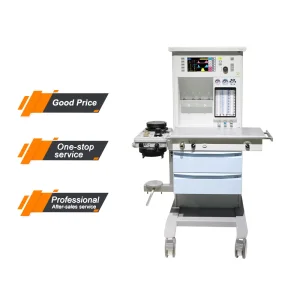
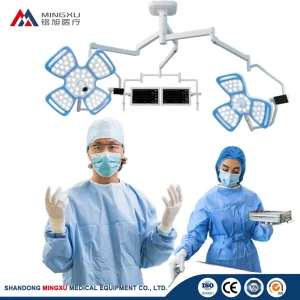
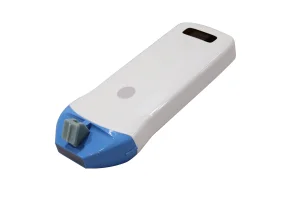
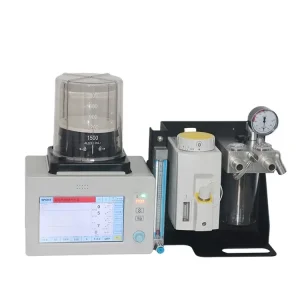

In high-acuity medical environments, the selection of ICU ventilators directly influences clinical success, patient safety, and operational longevity. Intensive Care Unit (ICU) ventilators represent the pinnacle of mechanical ventilation, serving patients with severe respiratory insufficiency, acute respiratory distress syndrome (ARDS), or post-operative trauma. Sourcing these life-support systems requires a strict understanding of both clinical functionality and manufacturing compliance.
Globally, the demand for adaptable, robust, and smart mechanical ventilators has surged. Hospital procurement committees, clinical engineers, and medical equipment distributors look beyond raw specifications. They evaluate the integration capability of ventilators with existing ICU networks, patient monitoring setups, and anesthesia workstations. To assist global decision-makers, this whitepaper details the primary capabilities, quality protocols, and technological trends defining the world's leading ICU ventilator manufacturers and suppliers.
Support for invasive, non-invasive (NIV), and high-flow nasal cannula (HFNC) therapy within a single medical unit.
Continuous compliance tracking, airway pressure analytics, and real-time alarms driven by advanced sensor matrices.
Seamless connectivity via HL7 protocols, interfacing with Hospital Information Systems (HIS) and central ICU hubs.
As a key player in the specialized medical equipment sector, Dongguan Suffolk Medical Co., Ltd. is a leading China-based OEM supplier specializing in smart surgical and diagnostic equipment designed to enhance hospital safety and operational efficiency. With years of experience in the healthcare technology sector, Suffolk Medical is committed to delivering high-quality solutions that support modern clinical practices and patient care standards.


The company’s product portfolio covers a wide range of equipment, including advanced surgical instruments, patient monitoring systems, diagnostic imaging devices, sterilization tools, and integrated operating theatre solutions. Each product is developed with precision engineering and rigorous quality control to ensure reliability, accuracy, and compliance with international medical standards.
Dongguan Suffolk Medical emphasizes innovation and smart technology integration. Their equipment leverages digital interfaces, automated monitoring, and energy-efficient designs to improve workflow efficiency and reduce human error in clinical environments. The company also provides tailored OEM and ODM services, enabling hospitals, clinics, and medical distributors worldwide to access customized solutions that meet specific operational requirements.
Beyond product excellence, Suffolk Medical is dedicated to customer support and after-sales service, offering professional training, maintenance guidance, and technical consultation. Their global reach spans hospitals, specialized medical centers, and diagnostic laboratories, establishing a strong reputation for trustworthiness, performance, and innovation.
As a forward-looking healthcare technology provider, Dongguan Suffolk Medical Co., Ltd. continues to advance smart surgical and diagnostic solutions, empowering medical professionals with safe, efficient, and intelligent equipment that supports better patient outcomes.
China’s medical device manufacturing sector has shifted from basic assembly to advanced, high-tech engineering. For hospital directors and distributors sourcing ICU ventilators, partnering with Chinese manufacturing centers offers three key benefits:
Industrial hubs like Dongguan, Shenzhen, and Suzhou house complete supply chains for medical electronics. Precision gas valves, turbine blowers, O2 sensors, and high-resolution clinical displays are manufactured nearby. This localized supply chain reduces component lead times and buffers partners from global logistics bottlenecks.
Modern Chinese facilities adapt hardware and software platforms quickly. Whether adjusting UI localizations, updating communications protocols (e.g., HL7, Modbus), or custom-designing brackets for anesthesia workstation configurations, Chinese developers move designs from prototype to production faster than traditional Western factories.
Major Chinese manufacturers align their systems with global certifications. Facilities utilize ISO Class 8 (Class 100,000) clean rooms, robotic calibration devices, and automatic testing software. Products are built to comply with CE (MDR), FDA 510(k), and NMPA standards, ensuring seamless importation and regulatory approval.
Mechanical ventilators operate within a complex hospital ecosystem. Sourcing strategies should consider how these units integrate with different acute care settings:
Requires versatile ventilation modes (PRVC, SIMV, BIPAP) and sensitive trigger sensors to reduce weaning times and protect lungs.
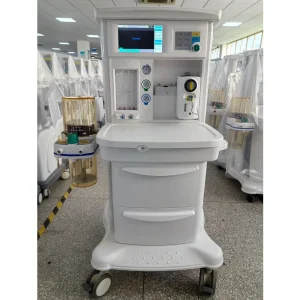
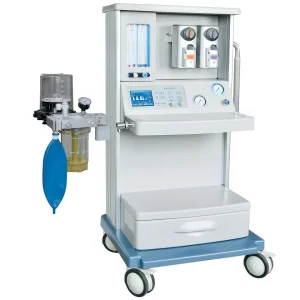
Requires integration with gas delivery modules, volatile agent monitors, and patient monitor mounts to form a unified workspace.
Demands compact dimensions, long-lasting battery systems, and gas cylinder compatibility to maintain support during transport.
Integrating devices reduces data fragmentation. Modern smart hospitals favor suppliers that provide modular platforms. These platforms link the ICU ventilator, patient monitoring station, and anesthesia unit together, feeding real-time vitals straight to Electronic Medical Records (EMR).
Sourcing capital medical devices from overseas requires steps to mitigate regulatory, financial, and logistical risks. When evaluating the Top 10 ICU Ventilator Suppliers, use the following framework:
Partner with Dongguan Suffolk Medical Co., Ltd. to co-develop, customize, and manufacture surgical, diagnostic, and respiratory support systems. Our team provides end-to-end technical support and global logistics coordination.
Contact Our Sourcing EngineersCommon technical and logistics questions for procurement departments sourcing mechanical ventilation systems.
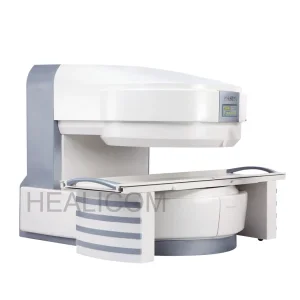
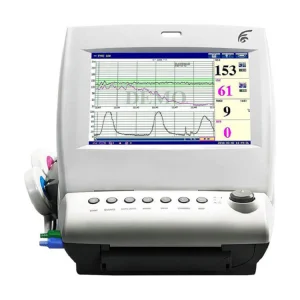
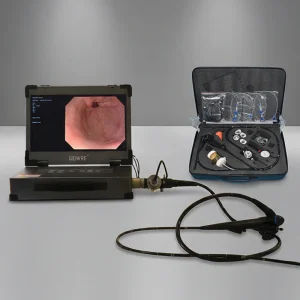
Explore our wider clinical range, including surgical systems, fetal monitors, endoscope imagers, and magnetic resonance imaging platforms.
 Suffolk Medical