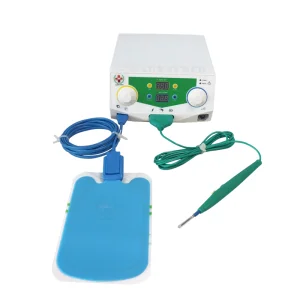
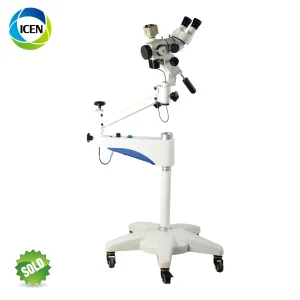
Direct procurement of essential surgical and patient positioning technologies, engineered to meet the stringent demands of global hospitals and regulatory bodies.
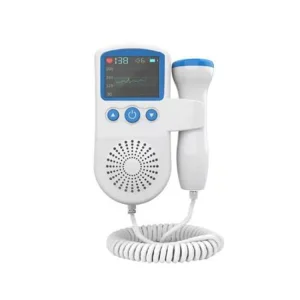
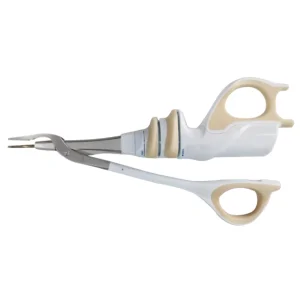
Understanding the critical alignment between mechanical design, patient comfort, and regulatory compliance.
The global clinical supply chain operates under demanding safety criteria. Purchasing hospital beds or surgical tables is not just about procuring furniture; it is an acquisition of critical class-grade medical equipment. CE Certification is the baseline compliance metric for entry into the European Economic Area (EEA), verifying that beds satisfy safety, health, and environmental protection standards under the Medical Device Regulation (MDR 2017/745).
Modern healthcare settings require beds that serve as active patient-care platforms. The transition from manual cranks to multi-motor electric control units has transformed clinical efficiency. Features such as lateral tilt, Trendelenburg/Reverse Trendelenburg positioning, and customizable deck heights are essential for preventing caregiver strain and minimizing patient hospital acquired conditions (HACs).
Hygiene is a primary criteria in hospital layouts. Factories now focus on integrating antimicrobial, UV-resistant ABS plastics and seamless steel frameworks powder-coated with specialized antibacterial agents. These materials endure strict chemical sanitation cycles, ensuring durability in high-turnover settings such as general wards and critical care units.
How modern manufacturing facilities leverage automation and integrated supply networks to deliver high-quality products globally.
Under the Factory 4.0 framework, leading Chinese exporters utilize robotic laser cutting, automated welding lines, and electrostatic paint shops. This level of automation reduces human error in load-bearing frames, ensuring that every bed frame meets structural tolerances for patient weight capacities (often up to 250kg Safe Working Load).
By managing the entire production cycle in-house—from metal extrusion to control board integration—manufacturers maintain complete traceability of materials, which is crucial for ISO 13485 quality management systems.

Dongguan Suffolk Medical Co., Ltd. is a leading China-based OEM supplier specializing in smart surgical and diagnostic equipment designed to enhance hospital safety and operational efficiency. With years of experience in the healthcare technology sector, Suffolk Medical is committed to delivering high-quality solutions that support modern clinical practices and patient care standards.
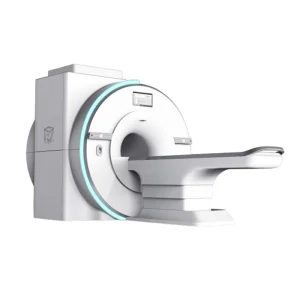
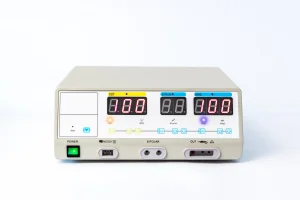
The company’s product portfolio covers a wide range of equipment, including advanced surgical instruments, patient monitoring systems, diagnostic imaging devices, sterilization tools, and integrated operating theatre solutions. Each product is developed with precision engineering and rigorous quality control to ensure reliability, accuracy, and compliance with international medical standards.
Dongguan Suffolk Medical emphasizes innovation and smart technology integration. Their equipment leverages digital interfaces, automated monitoring, and energy-efficient designs to improve workflow efficiency and reduce human error in clinical environments. The company also provides tailored OEM and ODM services, enabling hospitals, clinics, and medical distributors worldwide to access customized solutions that meet specific operational requirements.
Beyond product excellence, Suffolk Medical is dedicated to customer support and after-sales service, offering professional training, maintenance guidance, and technical consultation. Their global reach spans hospitals, specialized medical centers, and diagnostic laboratories, establishing a strong reputation for trustworthiness, performance, and innovation.
As a forward-looking healthcare technology provider, Dongguan Suffolk Medical Co., Ltd. continues to advance smart surgical and diagnostic solutions, empowering medical professionals with safe, efficient, and intelligent equipment that supports better patient outcomes.

Custom configurations tailored to specific clinical requirements and care standards.
ICU configurations require advanced patient positioning systems. Beds must support one-button CPR release, integrated scale systems for precise medication dosing, and lateral tilting functions to aid pulmonary therapy and minimize pressure ulcer development.
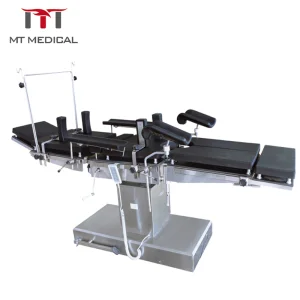
In operating settings, stability and accessibility are paramount. Operating tables must integrate seamlessly with auxiliary systems, featuring low-position settings for neurosurgery, modular head/leg sections, and radio-translucent tables to facilitate intraoperative C-arm imaging.
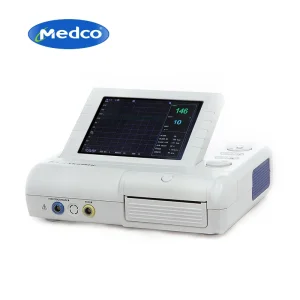
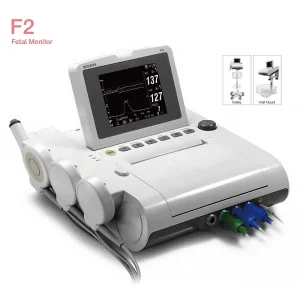
Specialized clinical care requires highly adaptable equipment. Sourcing managers focus on birthing beds that transition quickly from standard positioning to delivery-friendly postures. These setups are paired with adjacent clinical diagnostic equipment, including CTG fetal monitors.
Addressing key technical and logistics questions for global healthcare procurement officers.
CE certification verifies that medical beds comply with standard EN 60601-2-52. This regulation evaluates electrical safety, side-rail dimensions to prevent patient entrapment, mechanical strength, and electromagnetic compatibility with surrounding diagnostic instruments.
Quality control starts with material inspection (mill test reports for steel) and proceeds through automated welding, actuator reliability testing, and load-limit testing. Each bed undergoes a multi-point inspection before packaging to ensure compliance with export quality requirements.
Actuators must run quietly (under 50 dB) and feature a high IP protection rating (minimum IPX4) to prevent liquid ingress during cleaning. Leading medical exporters use systems from trusted brands like Linak or Dewert to ensure reliability and simplify maintenance.
Yes. Standard structures can be customized to specify central locking caster systems, dual-column lift mechanisms, integrated nurse controls, or custom branding, allowing purchasers to meet specific market preferences and tenders.
Beds are typically flat-packed or shipped partially assembled in heavy-duty, five-layer corrugated boxes with high-density polyethylene corner protectors. Operating tables and delicate diagnostic tools are secured in export-grade wooden crates to prevent movement during transport.
Comprehensive technical support is provided, including step-by-step installation videos, detailed circuit diagrams, a ready supply of replacement parts, and training for local biomedical engineering teams to ensure optimal equipment uptime.
Ensuring reliable diagnostic performance and sterilization safety across clinical and laboratory settings.

 Suffolk Medical