Infection prevention in obstetrics and gynecology clinics is not a single checklist. It is a daily clinical habit shaped by evidence, training, and patient safety. In China, crowded outpatient areas, frequent examinations, and close contact with blood or body fluids can create avoidable exposure points. How to reduce infection risks in OB/GYN clinics is therefore a practical question for doctors, nurses, cleaners, managers, and patients.
Clean hands matter. A reliable program begins with hand hygiene before and after every examination. It also requires careful triage, appropriate personal protective equipment, disinfected examination tables, and correctly sterilized instruments. Special attention is needed for ultrasound probes, speculums, procedure trays, and high-touch surfaces such as door handles. Ventilation, safe injection practices, waste segregation, and clear staff training also support safer care.
No clinic is flawless. Even experienced teams can miss a contaminated glove box or shorten a cleaning step during busy hours. This guide recognizes that reality and encourages honest review, not unrealistic perfection. Its recommendations reflect established infection-control principles from the World Health Organization, national health authorities, and accepted clinical practice. Local Chinese regulations and facility protocols should always guide implementation. Small details become visible safeguards: a sealed sterile pack, a clean privacy curtain, or a documented disinfection time. When these actions are monitored consistently, they help protect patients, healthcare workers, and families from preventable infections.
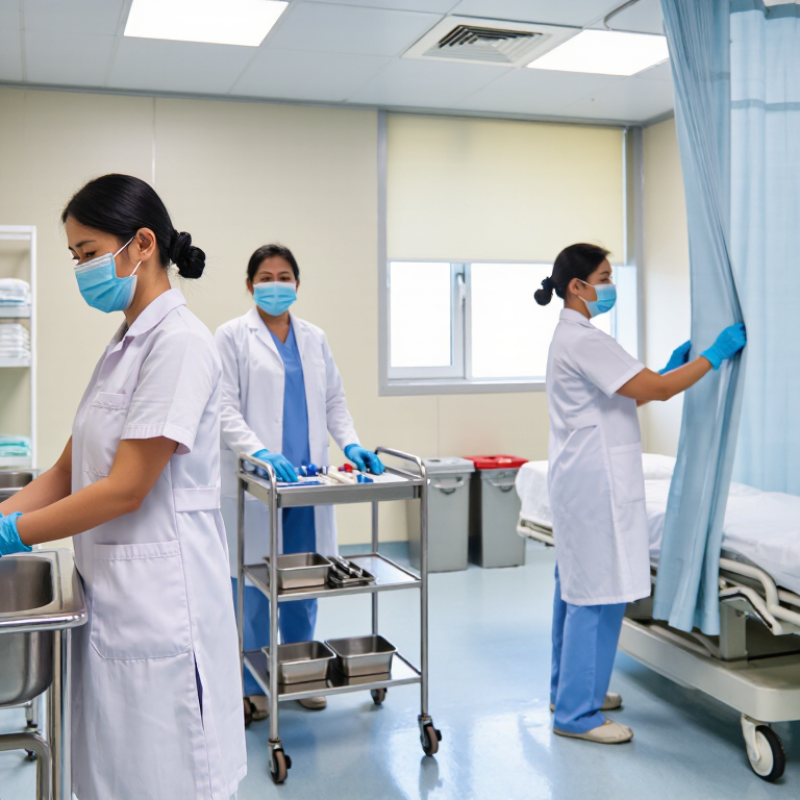
China’s OB-GYN clinics need infection-control standards that work during busy consultations, deliveries, and minor procedures. A written policy should align with current national healthcare guidance and local health authority requirements. It must define responsibilities, training, documentation, and escalation steps. Daily practice matters more than a perfect binder. Exam rooms need visible hand-hygiene supplies, cleanable surfaces, safe instrument storage, and separated clean and used pathways. Staff should screen symptoms, provide masks when appropriate, and reduce crowding in waiting areas. Ventilation deserves attention, especially in small rooms.
Tips: Use a ten-point checklist: hand hygiene; suitable gloves and protective clothing; patient triage; appointment spacing; ventilation; surface disinfection; instrument sterilization; injection safety; sharps and medical-waste control; and staff training. Clean ultrasound transducers and examination equipment according to validated procedures. Record each sterilization cycle, cleaning round, exposure incident, and corrective action. Keep records readable and review them weekly. Small gaps become patterns.
Experienced managers should audit high-touch areas, specimen handling, toilet cleaning, and linen movement. Supervisors can observe practice quietly, then give specific feedback without blame. Staff illness policies should encourage prompt reporting and safe reassignment. Patient instructions should explain hand cleaning, appointment precautions, and when to seek care. No clinic gets everything right. Some standards fail because they ignore workload, privacy, or supply shortages. Review incidents monthly, test emergency workflows, and revise procedures with frontline staff.
| No. | Infection-Control Area | Clinic Standard | Operational Check | Audit Evidence |
|---|---|---|---|---|
| 1 | Hand hygiene | Perform hand hygiene at the appropriate moments, including before patient contact and aseptic tasks, after body-fluid exposure risk, after patient contact, and after contact with the patient’s surroundings. Use alcohol-based hand rub when hands are not visibly soiled; wash with soap and water when visibly soiled. | Keep hand-rub or handwashing facilities accessible at points of care and restock them routinely. | Direct-observation audits, supply checks, and documented staff training. |
| 2 | Patient triage and respiratory hygiene | Identify patients with respiratory symptoms or other relevant infection risks during appointment or arrival workflows. Provide source-control measures and separate or schedule patients appropriately according to clinical risk and local requirements. | Make masks, tissues, hand hygiene supplies, and clear instructions available where patients enter or wait. | Triage procedure, staff briefing records, and checks of patient-facing supplies. |
| 3 | Risk-based PPE | Select gloves, gowns or aprons, masks, and eye or face protection according to anticipated exposure and the procedure. Change gloves between patients and between contaminated and clean tasks; perform hand hygiene after glove removal. | Keep suitable PPE available in procedure areas and establish safe donning and removal practices. | PPE availability checks, observed practice, and exposure incident records. |
| 4 | Instrument reprocessing | Clean and reprocess reusable instruments between patients using validated procedures and the device manufacturer’s instructions. Sterilize instruments that enter sterile tissue; use sterilization or appropriate high-level disinfection for instruments contacting mucous membranes, as applicable to the device and procedure. | Separate dirty and clean workflows. Record each reprocessing cycle and release loads only when required cycle criteria are met. | Cycle logs, indicator results, maintenance records, and traceability records where applicable. |
| 5 | Injection and medication safety | Use a new sterile needle and syringe for each injection and each patient. Never reuse a syringe, even when changing the needle. Handle single-dose and multidose containers according to their labeling and applicable infection-control requirements. | Prepare injections in a designated clean area, away from used equipment and contaminated items. | Routine practice observations, medication-area inspections, and staff competency records. |
| 6 | Environmental cleaning | Clean and disinfect examination couches, procedure surfaces, and other shared patient-contact equipment between patients when indicated, and clean high-touch surfaces on a defined schedule. Use products appropriate for the surface and follow label instructions for dilution and contact time. | Maintain written cleaning schedules that specify areas, responsible staff, products, and procedures for spills. | Completed cleaning logs, product checks, and periodic observation of cleaning practice. |
| 7 | Sharps and exposure prevention | Avoid recapping used needles by hand. Dispose of sharps promptly into approved puncture-resistant containers positioned near the point of use, and replace containers before they become overfilled. | Maintain a written protocol for needlestick or splash exposures, including immediate first aid, prompt reporting, and timely clinical assessment. | Sharps-container inspections, exposure reports, and documented follow-up. |
| 8 | Procedure preparation and aseptic technique | Use aseptic technique for procedures that require it. Select a skin or mucosal antiseptic suitable for the intended site and procedure, follow product instructions, and allow the required contact or drying time before proceeding. | Define procedure-specific preparation steps and maintain sterile supplies in protected storage. | Procedure checklists, storage inspections, and competency assessments. |
| 9 | Waste and soiled-linen handling | Segregate healthcare waste at the point of generation and handle it in accordance with applicable Chinese requirements and local procedures. Contain soiled linen safely and avoid shaking it or carrying it against clothing. | Use clearly identified, suitable containers and define collection routes and responsibilities. | Waste-segregation inspections, collection records, and linen-handling audits. |
| 10 | Staff training and occupational health | Train staff at onboarding and periodically on hand hygiene, PPE, instrument reprocessing, cleaning, sharps safety, and exposure response. Support staff immunization according to occupational-health guidance and individual eligibility. | Assign an infection-control lead to review incidents, audit findings, corrective actions, and updates to applicable national and local requirements. | Training and competency records, audit reports, and documented corrective-action follow-up. |
Note: These are practical clinic standards, not a statement of measured infection rates or a substitute for current Chinese laws, national standards, local health-authority requirements, and device or disinfectant instructions.
Clean hands before and after every patient contact. Clean them after glove removal and after touching nearby surfaces.
Use alcohol-based hand rub when hands look clean. Use soap and water when hands are visibly soiled.
No. Gloves can create false confidence. Clean your hands before wearing gloves and after removing them.
Focus on door handles, examination tables, ultrasound controls, stirrups, light handles, counters, and procedure trays.
Use gloves for contact with mucous membranes, blood, or body fluids. Add gowns, masks, and eye protection when splashing may occur.
Use a suitable disinfectant and keep surfaces visibly wet for the stated contact time. A quick wipe may miss seams and controls.
Remove visible soil promptly. Transport instruments in a closed container. Clean, inspect, dry, package, and sterilize them correctly.
Check hinges, grooves, and tips under good lighting. Residue may hide in narrow joints. Small details matter.
Do not treat it as protected. Follow the clinic’s reprocessing procedure, then document and correct the problem.
Use clear labels, separate clean and contaminated items, and review checklists regularly. No system is flawless. Observation and coaching still matter.
How to reduce infection risks in OB/GYN clinics starts with clear, consistent infection-control standards that guide everyday work. Clinics should screen patients for symptoms and relevant exposure risks, then arrange separate waiting or care areas for those who may have an infection. These steps help limit contact between patients and support safer care for everyone.
Hand hygiene should be practiced at key points during patient care, with suitable personal protective equipment used according to the task and potential exposure. Clinical rooms and frequently touched surfaces should be cleaned regularly, while reusable instruments must be cleaned and sterilized using appropriate procedures. Specimens should be collected, labeled, transported, and stored carefully to prevent spills or mix-ups. Medical waste should be handled and disposed of safely, and staff should follow practices that reduce cross-contamination between patients, equipment, and work areas. Clear routines and regular staff training help make these measures reliable.

 Suffolk Medical