Equipment downtime in hospitals is a critical issue that can severely impact patient care. According to a report by the American Hospital Association, nearly 30% of medical equipment downtime occurs unexpectedly. This statistic underscores the urgency of addressing how to prevent equipment downtime in hospitals.
Dr. Emily Harlow, a recognized expert in healthcare technology management, emphasizes, “Timely maintenance and effective training can significantly reduce the occurrence of equipment failures.” Her insights highlight the importance of proactive strategies. Healthcare facilities must prioritize not just the technology but also the training of staff to manage equipment effectively.
Despite advancements in medical technology, many hospitals still face challenges. Equipment can fail due to a lack of regular checks or inadequate staff training. These oversights often lead to delays in treatment and increased stress for healthcare professionals and patients alike. Unplanned downtime, though often overlooked, demands immediate attention to ensure that patient care remains uninterrupted.
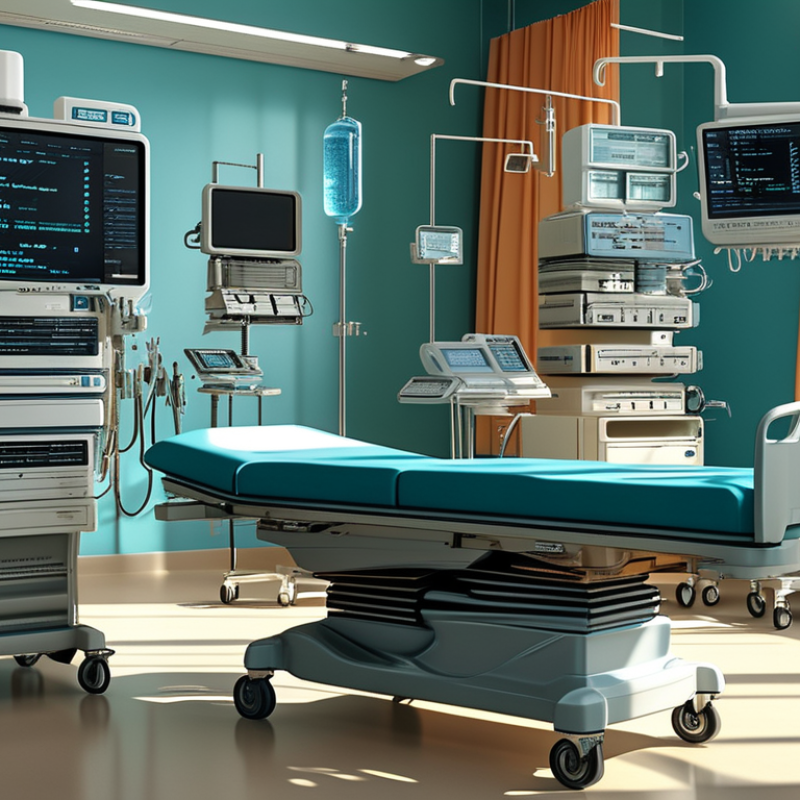
Importance of Equipment Reliability in Hospital Settings
In hospital settings, equipment reliability is crucial for patient care. Studies show that medical equipment failures can lead to significant delays in treatment and can jeopardize patient safety. A survey by the American Hospital Association indicated that 20% of equipment downtime is attributed to maintenance issues. This emphasizes the need for proactive measures to enhance equipment reliability.
Regular maintenance is essential. Implementing a strict schedule for inspections can reduce unexpected failures. Hospitals should also invest in training for staff to handle and troubleshoot equipment effectively. This empowers employees and minimizes downtime.
Tip: Develop a checklist for routine equipment checks. Regularly review manufacturer recommendations for maintenance.
Additionally, utilizing data analytics can help predict equipment failures. Hospitals can analyze past performance and identify patterns in equipment usage. Predictive maintenance reduces emergency repairs and enhances overall reliability.
Tip: Keep detailed logs of equipment performance trends. This aids in making informed decisions about upgrades or replacements.
In this ever-changing medical landscape, acknowledging and addressing equipment reliability is imperative. It can significantly impact both operational efficiency and patient outcomes.
Common Causes of Equipment Downtime in Healthcare Facilities
Equipment downtime in healthcare facilities is a persistent challenge. According to a 2022 report by the American Hospital Association, over 30% of hospitals experienced critical equipment failure last year. This significantly hampers patient care and can lead to adverse outcomes. Understanding common causes of downtime is essential for improvement.
One major factor affecting equipment reliability is inadequate maintenance. The Healthcare Cost Institute shows that nearly 50% of medical equipment failures are due to poor maintenance practices. Staff often lack the necessary training to perform routine checks, leading to unexpected breakdowns. Additionally, outdated technology can result in frequent malfunctions. A study from the Journal of Clinical Engineering suggests that 40% of healthcare facilities still use equipment that exceeds its planned lifespan, which increases the likelihood of failure.
Another cause is supply chain disruptions. Hospitals rely on timely parts delivery for repairs. A recent survey found that 70% of facilities face delays in receiving crucial components. These interruptions can cause major delays in diagnostic or therapeutic procedures, directly impacting patient care. This highlights the need for better inventory management and proactive communication with suppliers. Addressing these issues will ultimately enhance patient safety and operational efficiency in healthcare settings.
How to Prevent Equipment Downtime in Hospitals for Better Care?
| Common Cause of Equipment Downtime |
Impact (Hours per Month) |
Percentage of Total Downtime |
Recommended Prevention Strategy |
| Scheduled Maintenance |
15 |
25% |
Implement a proactive maintenance schedule |
| Breakdowns |
30 |
50% |
Invest in quality equipment and training |
| User Error |
10 |
15% |
Provide comprehensive training and clear protocols |
| Supply Chain Delays |
5 |
10% |
Establish reliable supplier relationships |
Best Practices for Regular Maintenance and Equipment Checks
Equipment downtime in hospitals can severely impact patient care. Regular maintenance and equipment checks are crucial to prevent this issue. Hospitals must develop a systematic approach to maintenance. This ensures that all equipment remains in optimal condition.
Conducting routine inspections can catch potential issues before they lead to failure. Schedule maintenance at regular intervals based on usage patterns. Use checklists to ensure thorough assessments. Training staff to identify minor problems can empower them to report issues early.
Tips: Document all maintenance activities. This creates a reliable history of equipment performance. Encourage a culture of accountability within the team. Staff should feel responsible for equipment. Regular training can enhance skills and awareness. Consider a preventive maintenance program tailored to specific equipment needs.
By focusing on these practices, hospitals can reduce downtime. A proactive approach fosters a safer, more efficient environment for patient care. This reflects a commitment to quality and reliability in healthcare services.
Implementing Advanced Monitoring Technologies
Advanced monitoring technologies are crucial for minimizing equipment downtime in hospitals. According to a recent study by the American Hospital Association, hospitals lose millions annually due to equipment failures. Real-time monitoring systems can significantly reduce these losses. By collecting data on equipment performance, these systems help identify potential issues before they escalate.
For effective implementation of monitoring technologies, hospitals should focus on integrating IoT devices. These devices can provide continuous diagnostics, alerting staff to irregularities. Hospitals that adopt predictive maintenance powered by AI see a decrease in equipment downtime by 30%. This approach not only enhances patient care but also optimizes operational efficiency.
Tip: Regularly train staff on using these monitoring technologies. Ensuring all team members understand the system is vital.
While these technologies may seem beneficial, challenges exist. Not all staff may embrace high-tech solutions. They may feel overwhelmed or unsure. Overcoming this resistance is essential for successful adoption. Collaboration among team members can facilitate smoother transitions.
Tip: Foster a culture of openness. Encourage feedback and discussions to address concerns. This approach promotes a supportive environment while integrating advanced monitoring systems.
Training Staff for Effective Equipment Use and Troubleshooting
Training staff effectively is crucial for minimizing equipment downtime in hospitals. According to a report by the Journal of Healthcare Management, properly trained staff can reduce equipment-related errors by up to 30%. This emphasizes the need for structured training programs focusing on the functionalities and troubleshooting of medical devices.
Healthcare facilities should conduct regular workshops and hands-on training sessions. A study from the American Journal of Nursing indicates that ongoing education helps staff feel more confident in using equipment. This confidence leads to quicker resolutions when issues arise. For example, when staff can identify and address minor faults on their own, downtime can be significantly reduced.
However, not all facilities implement comprehensive training. Many overlook the importance of feedback loops. A survey revealed that only 55% of staff receive consistent updates on new equipment. Regular assessments of staff knowledge can enhance their skills and ensure that they stay informed about advancements. This can prevent unnecessary delays in patient care due to equipment malfunctions.
FAQS
: Equipment reliability ensures timely treatment and patient safety. Failures can disrupt care significantly.
Regular maintenance can catch issues early. This helps prevent unexpected failures and promotes optimal equipment functioning.
Implementing checklists and scheduling regular inspections can improve thoroughness. Staff training is also essential.
Proper training can reduce errors by up to 30%. Skilled staff can troubleshoot issues more effectively and promptly.
Data analytics can predict failures by analyzing performance trends. This proactive approach enhances reliability and reduces repairs.
Many facilities neglect feedback loops. Regular updates on new equipment should be integrated into training programs.
Encourage staff responsibility for equipment through training. Documenting maintenance activities can help create this culture.
Tailor programs to specific equipment needs. Regular evaluations and documentation are key components for success.
Inconsistent training and lack of regular assessments can limit staff knowledge and confidence in using equipment.
Conduct workshops and hands-on sessions regularly. This promotes confidence and upgrades skills effectively.
Conclusion
Ensuring the reliability of equipment in hospital settings is crucial for delivering high-quality care. To effectively address "how to prevent equipment downtime in hospitals," it is essential to understand the common causes of such interruptions, which often include inadequate maintenance, outdated technology, and insufficient staff training. By implementing best practices such as regular maintenance schedules and thorough equipment checks, healthcare facilities can significantly reduce the risk of unexpected failures.
Moreover, integrating advanced monitoring technologies can provide real-time data on equipment performance, enabling quicker response times to potential issues. Additionally, training staff not only for effective equipment use but also for troubleshooting can empower them to address minor problems before they escalate. Collectively, these strategies are vital for minimizing equipment downtime and enhancing patient care outcomes in hospitals.

 Suffolk Medical