Infection control is paramount in OB/GYN clinics. These facilities cater to vulnerable populations. Women undergoing procedures, childbirth, or routine check-ups need safe environments. The stakes are high; an infection can lead to severe complications.
How to reduce infection risks in OB/GYN clinics involves a multi-faceted approach. Staff training is essential. Regular education on hygiene practices can prevent infections. Proper sterilization of instruments and surfaces is vital. However, despite rigorous protocols, risks remain. No system is flawless.
Attention to patient interactions is crucial. Empowering patients to voice concerns about infection risks fosters a culture of safety. Transparent communication can build trust. OB/GYN clinics must remain vigilant and continuously evaluate their infection control measures. There’s always room for improvement.
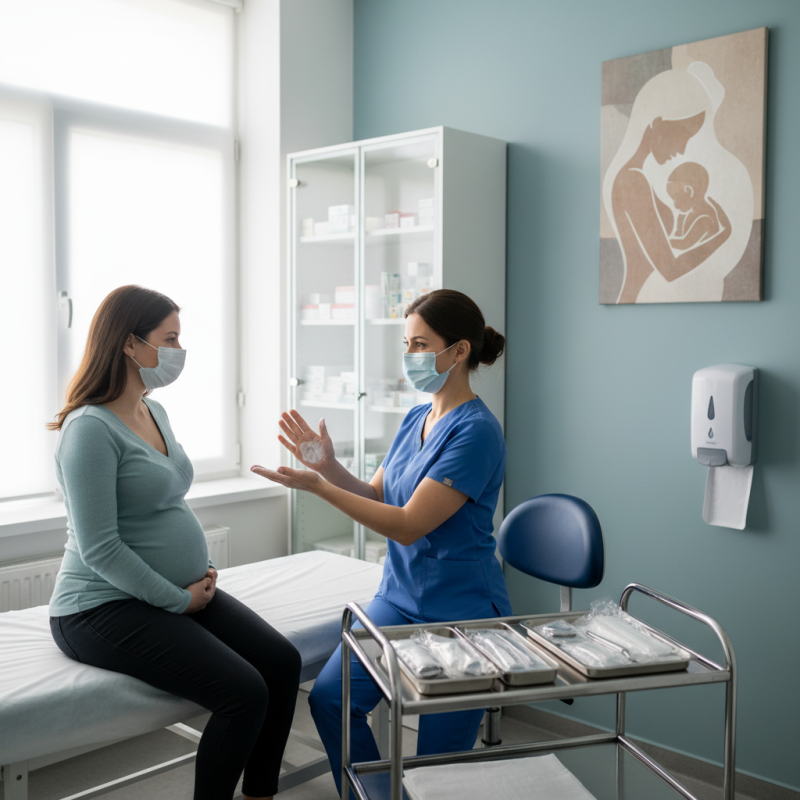
Infection control is crucial in OB/GYN clinics. Women visiting these clinics often face unique health risks. Proper infection prevention measures protect both patients and healthcare providers. Every procedure, from routine exams to surgeries, carries a risk of infection. Many factors contribute to these risks, including the sterile environment and the nature of procedures.
Effective infection control starts with education and training. Staff members must understand the latest guidelines. They should know how to properly sanitize tools and maintain a clean environment. Regular audits and feedback are essential. These practices create a culture of safety. Every member of the clinic plays a role in reducing infection risks. A small lapse in protocol can lead to serious complications. Continuous improvement is necessary to adapt to new challenges.
Open communication with patients is also vital. Women should feel empowered to ask questions about their care. They might wonder about sterilization methods or the clinic’s infection rates. Transparency builds trust and encourages adherence to safety protocols. Each patient experience should help clinics to refine their practices. The commitment to infection control is ongoing and requires constant attention.
In the field of OB/GYN, patient safety is paramount. Infection risks can arise during routine examinations, surgeries, and postpartum care. Common sources of infections include bacterial contamination, surgical site infections, and sexually transmitted infections. These issues require careful attention to hygiene and sanitation practices.
Barrier methods, such as gloves and masks, are standard in clinics. However, some providers may overlook the importance of sterile techniques. For instance, the integration of proper sterilization procedures can significantly reduce infection rates. Regular staff training on infection control measures is essential but often neglected.
Patients also play a role in infection prevention. They may be unaware of safe practices before and after procedures. Clear communication about hygiene, such as the importance of handwashing, is necessary. Patients should feel empowered to ask questions regarding infection control protocols. This conversation can help mitigate risks while building trust between staff and patients.
| Infection Type | Common Causes | Risk Factors | Prevention Strategies |
|---|---|---|---|
| Urinary Tract Infections (UTIs) | Bacterial contamination during catheterization | Female gender, history of UTIs | Use sterile techniques, adequate hydration |
| Surgical Site Infections | Postoperative contamination | Obesity, diabetes, prolonged surgery | Preoperative antibiotics, proper sterilization |
| Genital Tract Infections | Bacterial or viral pathogens | Multiple sexual partners, lack of condom use | Patient education, routine screenings |
| Postpartum Infections | Bacterial colonization during delivery | Cesarean section, prolonged labor | Hygiene practices, monitoring symptoms |
| HCV and HBV Infections | Bloodborne pathogen exposure | History of IV drug use, unprotected sex | Vaccination, safe sex practices |
In OB/GYN settings, reducing infection risks is crucial.
According to data from the Centers for Disease Control and Prevention (CDC), surgical site infections account for about
20% of all healthcare-associated infections. Such statistics emphasize the necessity for comprehensive
infection control strategies.
Effective hand hygiene is a fundamental strategy. Studies indicate that proper handwashing can reduce transmission rates by
over 30%. However, compliance remains an issue. Reports suggest that healthcare staff often neglect hand hygiene protocols,
putting patients at risk. Regular training and reminders could enhance adherence.
Another critical strategy involves sterilization practices. The American College of Obstetricians and Gynecologists (ACOG)
recommends strict standards for instrument sterilization. Yet, lapses in these practices occur. For example, a 2019 survey found that
25% of clinics reported deviations from recommended sterilization protocols. Addressing these lapses requires
ongoing education and robust quality assurance measures.
Building a culture of safety within clinics is just as essential. Communication among staff can foster accountability and vigilance. Reviews of patient outcomes highlight
that facilities with open communication tend to have lower infection rates. Despite known strategies, the challenge remains in their
consistent application.
Infections during pregnancy can significantly impact both maternal and fetal health. They can lead to severe complications such as preterm birth, low birth weight, and even stillbirth. Research shows that conditions like urinary tract infections or Group B Streptococcus can escalate health risks. Understanding these risks is vital for OB/GYN clinics.
Inadequate infection control practices may increase these health threats. A simple oversight in hygiene can expose pregnant women to harmful bacteria. This concern is not just about infection rates but also about long-term consequences. Many women face postpartum infections that can impair their recovery. These challenges underscore the need for clinics to refine their protocols.
Focusing on comprehensive infection prevention can make a difference. Stricter hygiene standards in the clinic environment can protect mothers and their babies. Regular training for staff on infection control is essential. This ongoing education fosters a culture prioritizing safety and responsibility. Each decision in this area matters. Investing in these practices can lead to healthier outcomes for mothers and their newborns.
In OB/GYN clinics, staff training is critical for minimizing infection risks. Proper training equips staff with the knowledge to follow strict hygiene protocols. Regular workshops can enhance understanding of infection control measures. Staff members should be aware of the common pathogens and their transmission routes. This awareness helps in implementing better practices.
Tips: Reinforce cleanliness as a core value in your clinic. Regularly schedule training sessions on the latest infection control techniques. Encourage open discussions about challenges in maintaining hygiene.
Despite training, some staff may still struggle with proper hand hygiene. It's essential to create a culture where asking for reminders is welcomed. Visual reminders can be placed near sinks and workstations. Real-life scenarios can help staff practice responses to potential infection risks. Staff should learn from any mistakes made, treating them as opportunities for growth.
Tips: Use role-playing exercises to simulate real-world situations. Conduct audits to identify areas needing improvement. Foster an environment where learning is continuous and encouraged.
: Infection control protects patients and healthcare providers. It reduces health risks during various procedures.
Infections can cause preterm birth, low birth weight, and stillbirth. These complications significantly affect maternal and fetal health.
Staff should receive education and training on sanitation and hygiene practices. Regular audits help maintain a clean environment.
Patients should feel empowered to ask about sterilization methods and infection rates. Open communication builds trust.
A small lapse in hygiene can lead to serious complications, including postpartum infections that impair recovery.
Continuous improvement and regular staff training are crucial. Clinics must refine their practices based on patient experiences.
Poor practices can expose pregnant women to harmful bacteria, affecting health long-term. Constant attention is needed.
Ongoing education fosters a culture of safety. Each decision made can affect outcomes for mothers and their babies.
Infection control is crucial in OB/GYN clinics to protect both maternal and fetal health. Common risks include surgical site infections, urinary tract infections, and other hospital-acquired infections that can lead to severe complications. These risks emphasize the need for effective strategies to reduce infection rates in OB/GYN settings. Implementing strict hygiene protocols, utilizing proper sterilization methods, and monitoring infection trends are essential steps to enhance patient safety.
To effectively address "how to reduce infection risks in OB/GYN clinics," it is vital to invest in comprehensive staff training. Educating healthcare providers on best practices in infection prevention not only minimizes risks but also fosters a culture of safety within the clinic. By prioritizing infection control measures, OB/GYN clinics can significantly improve health outcomes for mothers and their babies, ensuring a safer environment for all patients.

Suffolk Medical