Why is Infection Control Essential in Operating Theatres?

Time:2026-07-17 Author:Isabella
0%

Infection control is vital in operating theatres due to the inherent risks associated with surgical procedures. According to the World Health Organization, surgical site infections (SSIs) occur in 1-3% of surgeries, significantly impacting patient recovery and healthcare costs. High standards of infection control help mitigate these risks, ensuring patient safety.

Surgical teams must adhere to strict protocols. Hand hygiene, sterilization of instruments, and proper attire are crucial components. The Centers for Disease Control and Prevention highlights that 40% of SSIs are preventable with proper infection control measures. Yet, inconsistencies in practices remain. Training and compliance are ongoing challenges in many hospitals.

The consequences of neglecting infection control are severe. Beyond immediate health risks, SSIs lead to prolonged hospital stays and increased expenses. A report from the National Healthcare Safety Network suggests that infections cost the U.S. healthcare system over $3 billion annually. This underscores why infection control is vital in operating theatres, demanding continuous reflection and improvement in practices.
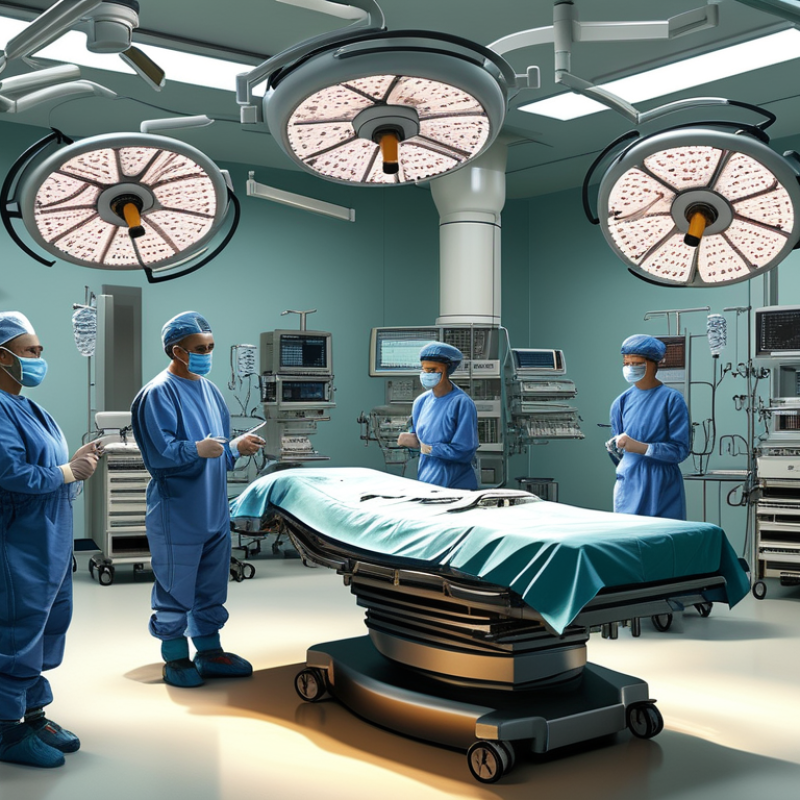
Why is Infection Control Essential in Operating Theatres?

Importance of Infection Control in Healthcare Settings

Infection control is a vital component in healthcare settings, particularly in operating theatres. The presence of germs poses a significant risk to both patients and medical staff. A single sterile instrument can prevent subsequent infections. Yet, maintaining this sterility can sometimes be overlooked during busy surgical procedures.

Healthcare professionals must consistently follow strict protocols, but lapses in adherence can occur. For example, improper hand hygiene is a common issue. Many staff may underestimate the importance of thorough handwashing before surgeries. This oversight can lead to serious consequences, including post-operative infections.

Moreover, all team members should understand their roles in infection control. Each instrument and surface must be properly sanitized. However, training is not always consistent. Some staff may lack recent training on emerging infections. This gap can influence their response to preventing contamination. Regular training and updates on best practices are crucial for creating a culture of safety in the operating room.

Importance of Infection Control in Operating Theatres

This bar chart illustrates the key areas where infection control measures are crucial in operating theatres. The data reflects the percentage impact of effective infection control on reducing post-operative infections across various surgical categories.

Understanding the Risks of Surgical Infections

Infection control is vital in operating theatres. Surgical infections pose significant risks to patients undergoing procedures. These infections can lead to longer recovery times and increased complications. Understanding these risks is crucial for caregivers and patients alike.

Effective strategies are key to minimizing infection risks. The environment in the operating room must be meticulously maintained. Sterile instruments and gowns should be standard. A clean space reduces bacterial presence significantly. However, even small lapses can lead to dire consequences. For example, forgetting to change gloves between patients can introduce harmful pathogens.

Tips for ensuring safety include strict adherence to hand hygiene. Washing hands before and after patient contact is essential. Additionally, regular training for staff should be mandatory. It helps reinforce the importance of infection control practices. Even with all precautions, human error can occur. Continuous monitoring and feedback can help identify areas for improvement. Remember, vigilance is crucial in the fight against surgical infections.

Key Infection Control Practices in Operating Theatres

Infection control is crucial in operating theatres. It safeguards patients and healthcare staff from harmful pathogens. Effective practices must be consistently applied to reduce infection risks.

Hand hygiene is a primary control measure. Surgeons and staff must wash hands thoroughly before and after patient contact. Using antiseptics and sterile gloves helps minimize contamination. Despite this, lapses can occur. Staff may become complacent under pressure, risking infections.

Another essential practice is maintaining a sterile environment. This includes using sterile instruments and drapes. Air filtration systems play a significant role in minimizing airborne bacteria. However, maintaining these systems can be challenging. Regular checks are needed, yet they may not always be performed.

Lastly, educating the entire team is fundamental. Continuous training ensures everyone understands the protocols. Although training might seem repetitive, it’s vital for reinforcing good habits. Periodic reviews can reveal areas that require improvement, and reflection on past practices can help enhance future compliance.

Why is Infection Control Essential in Operating Theatres? - Key Infection Control Practices in Operating Theatres

Infection Control Practice Description Importance Frequency
Hand Hygiene Washing hands with soap and water or using hand sanitizer before patient contact. Reduces transmission of pathogens. Before each procedure
Sterilization of Instruments Using methods like autoclaving to eliminate all microorganisms. Essential for preventing surgical site infections. Before every surgery
Use of Personal Protective Equipment Wearing gloves, masks, gowns, and eye protection. Protects healthcare workers and patients from infections. During all surgical procedures
Environmental Cleaning Regular cleaning and disinfecting of the operating room surfaces. Minimizes the risk of contamination. Daily and between procedures
Antibiotic Prophylaxis Administering antibiotics before, during, or after surgery. Prevents postoperative infections. As per surgical guidelines

Role of Sterilization and Disinfection in Surgery

In the realm of surgery, sterilization and disinfection play a vital role in infection control. Statistically, surgical site infections (SSIs) affect 1-3% of patients undergoing operations. Proper sterilization methods are essential to reduce this risk. The CDC recommends several techniques, including autoclaving and chemical disinfection. However, compliance with these guidelines is often inconsistent.

An analysis revealed that 30% of surgical instruments were improperly sterilized, leading to alarmingly high infection rates. This points to a significant gap in training and adherence to protocols in some operating theatres. Moreover, environmental surfaces in surgery rooms can harbor pathogens if not regularly disinfected. Research indicates that proper cleaning protocols can decrease contamination by up to 80%.

Effectiveness depends not only on method but also execution. Human error often enters the picture, like mislabeling or incorrect temperatures during sterilization. These oversights invite potential infection risks for patients. Addressing these shortcomings requires ongoing education and strict adherence to established protocols in order to enhance patient safety.

Staff Training and Compliance in Infection Prevention

Infection prevention in operating theatres hinges on effective staff training. Healthcare professionals must understand the protocols for minimizing infection risks. Regular workshops can enhance their knowledge about sterile techniques and the use of personal protective equipment. Training programs should be engaging and tailored to the specific roles of the staff. This approach helps in retaining crucial information.

Compliance is a significant challenge. Despite extensive training, some staff may overlook protocols under pressure. Real-life simulation exercises can help in understanding the high stakes involved. Encouraging a culture of accountability within surgical teams can lead to better adherence. Staff should feel empowered to address and correct non-compliance among peers without fear of repercussions.

Reflection on practices is crucial. Hospitals may conduct audits to assess compliance rates and identify areas for improvement. Feedback loops can aid in refining training programs, ensuring they remain relevant and effective. By emphasizing the importance of daily practices, the surgical environment can remain safe for patients. Continuous education and a commitment to excellence can yield substantial benefits.

FAQS

: What is the significance of infection control in surgical settings?

: Infection control is vital to ensure patient safety during surgeries. It minimizes the risk of surgical infections.

How can the risk of surgical infections be reduced?

Maintaining a clean operating room and using sterile instruments is crucial. Consistent practices significantly lower infection rates.

What are key hand hygiene practices for surgical staff?

Staff must wash hands thoroughly before and after patient contact. This is essential to minimize pathogen transmission.

Can human error affect infection control?

Yes, human error happens. It can lead to lapses, like forgetting to change gloves, risking patient safety.

How often should surgical staff receive training?

Regular training is necessary. It helps reinforce infection control practices and keeps staff aware of protocols.

What role do disinfection and sterilization play in surgery?

They are critical in preventing infections. Proper methods greatly reduce the risk of surgical site infections (SSIs).

What challenges exist in maintaining a sterile environment?

Keeping instruments and surfaces sterile can be tough. Regular checks may not occur, increasing infection risks.

How can compliance with sterilization guidelines be improved?

Ongoing education and strict adherence to protocols are necessary to enhance compliance and patient safety.

What happens if sterilization is not executed properly?

Improper sterilization raises infection rates. Mistakes like mislabeling can lead to serious consequences for patients.

Why is continual monitoring important in infection control?

Vigilance helps identify weak points in practices. It is necessary for improving the overall safety of surgical procedures.

Conclusion

Infection control is paramount in operating theatres due to the inherent risks associated with surgical procedures. Surgical infections can lead to serious complications, prolonged hospital stays, and increased healthcare costs. Understanding the risks involved is crucial for developing effective strategies to mitigate them. Key infection control practices, such as proper hand hygiene, use of personal protective equipment, and maintaining a sterile environment, play a significant role in preventing these infections.

Furthermore, sterilization and disinfection processes are essential to ensure that surgical instruments and surfaces are free from pathogens. Staff training and compliance with infection prevention protocols are fundamental components that support these practices. Ultimately, "why infection control is vital in operating theatres" lies in its capacity to safeguard patient health, enhance surgical outcomes, and maintain the integrity of healthcare settings.

Isabella

Isabella

Isabella is a dedicated marketing professional with a sharp focus on driving brand growth and engagement through strategic content creation. With an extensive background in digital marketing, she combines her passion for storytelling with her keen understanding of industry trends to deliver......