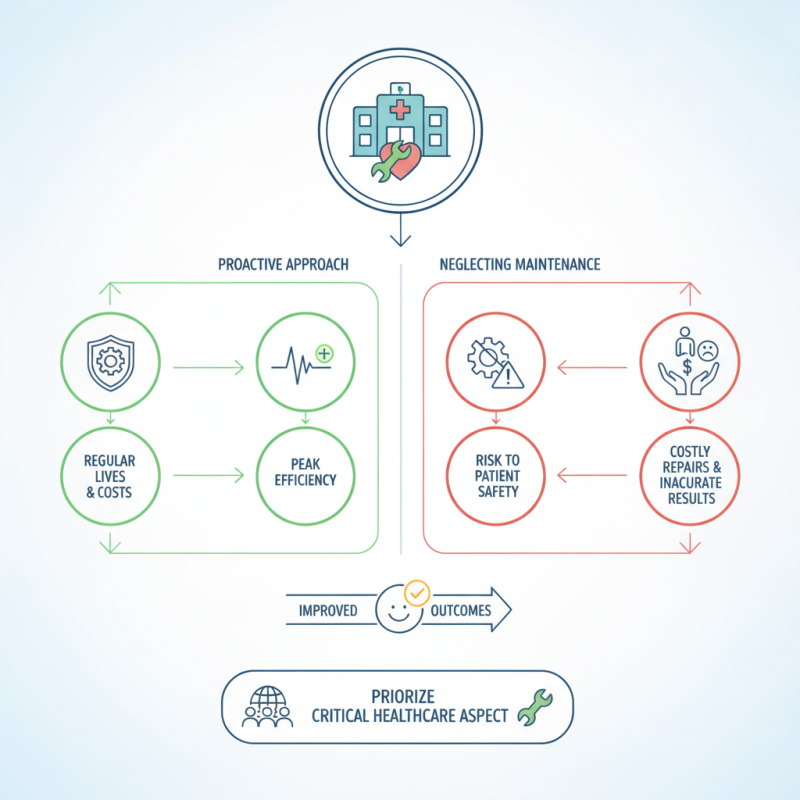
In healthcare, equipment reliability is vital. Medical devices must function correctly. This is where the importance of regular maintenance arises. Why regular maintenance of medical equipment is crucial cannot be overstated. Regular checks prevent unexpected failures. These failures can lead to severe consequences for patient safety. Routine maintenance ensures machines operate at peak efficiency. This can save both lives and healthcare costs.
Many hospitals overlook equipment upkeep. Their focus is often on immediate patient care. However, neglecting maintenance can result in costly repairs or replacements. Poorly maintained equipment may provide inaccurate results. This can affect diagnosis and treatment decisions gravely. A proactive approach is necessary.
Patient outcomes improve with well-maintained devices. Staff confidence grows when equipment is reliable. Regular assessments fade potential risks into the background. In conclusion, neglecting regular maintenance of medical equipment is a risk. All stakeholders must prioritize this critical aspect of healthcare.
Regular maintenance of medical equipment plays a crucial role in ensuring patient safety. A study by the Food and Drug Administration (FDA) highlighted that improper equipment maintenance could contribute to over 1,500 injuries and 500 deaths annually. This stark reality emphasizes the importance of routinely checking medical devices. Regular maintenance can prevent equipment failures that may lead to adverse patient outcomes.
Moreover, the Joint Commission states that effective maintenance programs can enhance the reliability of medical devices. These programs ensure that equipment operates within designated parameters, minimizing risks during medical procedures. For instance, a malfunctioning ventilator can have life-threatening implications. Regular inspections and servicing can address potential issues before they escalate, maintaining the trust that patients place in healthcare facilities.
Despite the clear benefits, many healthcare organizations struggle with consistent maintenance practices. A report from Biomedical Engineering suggests that nearly 30% of equipment has not undergone timely maintenance. This gap raises questions about protocols and accountability in healthcare settings. Continuous education on the importance of maintenance can bridge this gap and improve patient safety. It's crucial for healthcare providers to foster a culture where equipment reliability is prioritized.
Neglecting medical equipment maintenance can significantly inflate healthcare costs. Faulty equipment may lead to inaccurate diagnoses and delayed treatments. These errors not only harm patients but also increase the chance of legal repercussions. Routine checks and repairs can prevent these costly mistakes, ultimately saving healthcare facilities money.
Moreover, equipment breakdowns can cause severe disruptions. Imagine a surgical room halted due to malfunctioning devices. This scenario slows down patient care and leads to longer waiting times. Such delays can frustrate patients and reduce trust in healthcare providers. Regular upkeep can reduce downtime and keep services running smoothly.
Maintenance tends to be overlooked. Many institutions prioritize new acquisitions over existing equipment care. This neglect can result in unexpected expenses. Investing in regular maintenance lowers long-term costs and enhances patient safety. Every healthcare facility must weigh the risks of neglecting what is essential. Balancing budgets with proactive maintenance is crucial for sustainable care.
Regular maintenance of medical equipment is crucial for compliance with industry standards. These standards ensure equipment functions properly and patient safety is prioritized. Organizations must adhere to regulations set by health authorities and agencies. Failure to comply can lead to serious consequences.
Many guidelines specify routine checks and calibrations. This helps maintain precise measurements and reduces errors. Training staff on proper maintenance protocols is another key aspect. Yet, many facilities face challenges in ensuring all equipment is regularly serviced. This gap can lead to unexpected equipment failures.
Moreover, documentation of maintenance activities is essential. It provides a record for audits and inspections. Adhering to protocols can sometimes feel overwhelming. However, the risks of neglecting these responsibilities are significant. Medical equipment upkeep not only supports compliance but directly impacts patient care. Regular assessments foster a culture of safety and reliability within healthcare settings.
The maintenance of medical equipment is crucial for ensuring patient safety and compliance with healthcare regulations. This chart illustrates the average time spent on various maintenance activities: preventive maintenance, corrective maintenance, calibration, inspection, and training. Regular upkeep not only extends the lifespan of equipment but also enhances its performance, ultimately leading to better patient outcomes.
Regular maintenance of medical equipment plays a crucial role in healthcare. Statistical analysis shows that equipment failure rates directly impact patient outcomes. In hospitals where regular checks occur, patient recovery rates improve significantly. Properly maintained devices reduce the risk of malfunctions during critical procedures.
Consider a case where a vital monitoring system fails. Data indicates that nearly 35% of such failures lead to adverse events. Nurses and doctors may rely heavily on these systems. When they malfunction, it creates an environment of uncertainty. Regular maintenance helps in identifying potential issues beforehand. Waiting until failure occurs can have dire consequences.
Moreover, institutions often ignore maintenance schedules. This oversight can be a costly mistake, both financially and in terms of patient trust. Even small failures can escalate into larger problems. The gap in maintenance can reflect a broader issue in healthcare management. Emphasizing the need for regular inspections not only safeguards patient lives but also enhances the reliability of medical care overall.
In today’s healthcare environment, predictive maintenance technologies are revolutionizing how medical equipment is managed. These advancements allow for real-time monitoring of devices, identifying potential failures before they happen. Hospitals can now use data analytics to assess the condition of their equipment continuously. This proactive approach reduces downtime and enhances patient safety.
However, implementing these technologies poses several challenges. Many facilities lack the necessary infrastructure for effective data analysis. Staff training is also critical. Without knowledgeable personnel, even the best systems may not function as intended. Furthermore, integrating new technologies with existing equipment can be complex.
Yet, the benefits are undeniable. Predictive maintenance can lead to significant cost savings. It ensures that equipment is consistently operating at optimal levels. This, in turn, enhances the overall quality of care. As the healthcare industry embraces these innovations, ongoing evaluation and adaptation will be crucial for maximizing their potential.
: It ensures patient safety by preventing equipment failures that can lead to injuries or deaths.
Neglect can cause inaccurate diagnoses, delayed treatments, and higher healthcare costs.
Routine checks reduce costly errors and prevent disruptions that slow down patient care.
They emphasize effective maintenance programs to enhance the reliability and safety of medical devices.
No, many struggle, with reports indicating that nearly 30% of equipment lacks timely maintenance.
They provide real-time monitoring, identifying potential issues before they cause failures, enhancing safety.
Lack of infrastructure and trained staff can hinder effective implementation and operation.
There is often a focus on immediate gains, which can overlook the long-term value of maintaining existing equipment.
By fostering a culture that prioritizes reliability and continuous education on equipment importance.
It can halt procedures, increase waiting times, and reduce patient trust in the healthcare system.
Regular maintenance of medical equipment is crucial to ensuring patient safety, as it helps prevent malfunctions that could jeopardize health outcomes. Neglecting maintenance can lead to unexpected equipment failures, resulting in increased healthcare costs due to longer hospital stays and additional treatments. Complying with industry standards and regulations for equipment maintenance further emphasizes the need for vigilance in this area.
A statistical analysis of equipment failure rates reveals a direct correlation between preventive maintenance and improved patient outcomes. Additionally, advancements in predictive maintenance technologies are revolutionizing how healthcare facilities manage their equipment, allowing for timely interventions and minimizing downtime. Ultimately, understanding why regular maintenance of medical equipment is crucial supports a more effective and safe healthcare environment for all patients.

Suffolk Medical