Anesthesia machines are vital in modern surgical practices. They ensure patient safety and comfort during operations. However, many healthcare facilities overlook the importance of upkeep. You might wonder, "Why do anesthesia machines need regular maintenance?" The answer lies in their complexity.
These machines consist of various components that must function properly. Regular checks help identify issues before they escalate. A malfunctioning machine can endanger a patient's life. This reality highlights the need for preventive care. It’s not just about cleaning; it’s about safety.
Additionally, regular maintenance fosters trust between patients and medical staff. Patients rely on anesthesia machines for safety. Any lapse in maintenance can lead to a breakdown of trust. It is essential to prioritize regular checks, ensuring everything operates smoothly during procedures. The stakes are high, and the consequences of neglect can be severe.
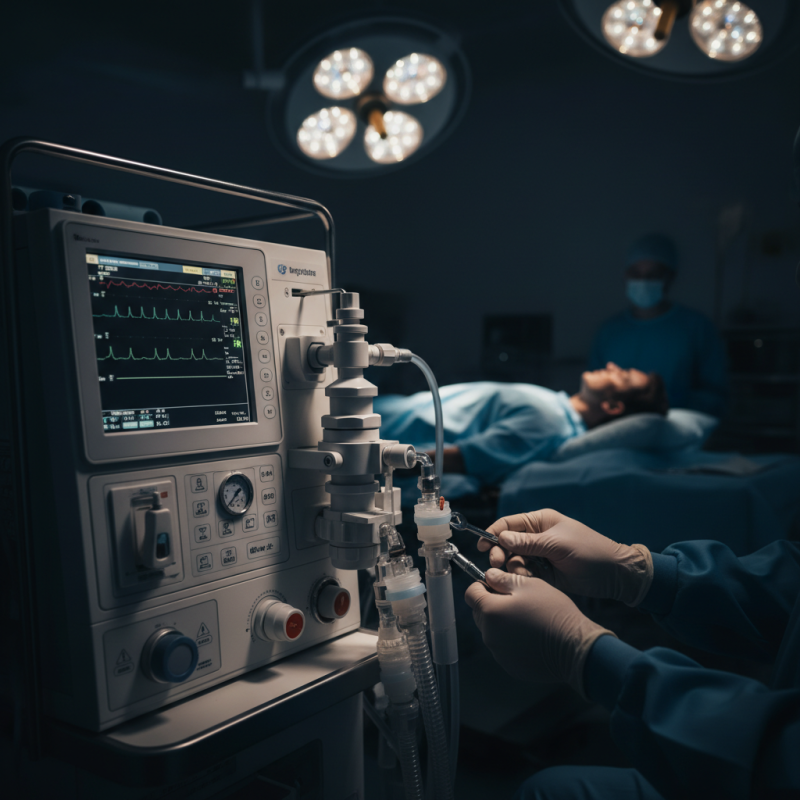
Anesthesia machines play a vital role in modern patient care. These devices are integral during surgeries, monitoring patient vitals and administering anesthetics. According to a report from the American Society of Anesthesiologists, nearly 70% of surgical procedures require anesthesia assistance. This statistic highlights their necessity in ensuring patient safety and comfort.
However, the reliance on anesthesia machines comes with significant responsibility. A malfunction during surgery can lead to critical complications. The FDA reports that improper maintenance caused over 15% of anesthesia machine failures in recent years. Regular maintenance ensures these machines operate efficiently, avoiding risks associated with equipment failure. Technicians should perform checks on all components, including gas delivery systems and monitoring devices.
Despite their importance, the maintenance practices for these machines can be overlooked. Some facilities lack standardized protocols for routine checks. This highlights a gap in patient safety measures. Focusing on the reliability of anesthesia machines is essential. Regular inspections not only enhance performance but also build trust in the surgical process. Improved attention to maintenance can significantly reduce the risk of adverse events.
Regular maintenance of anesthesia machines is essential to ensure patient safety and optimal performance. Among the key components that require attention, the breathing circuit stands out. This component must be regularly checked for leaks or blockages. Even a small defect can lead to serious complications during surgery. Visual inspections are vital, but more advanced testing methods may be necessary for thorough evaluations.
Another critical part is the ventilator. This system must function flawlessly to deliver precise volumes of gas. Calibration is crucial here. Operators should frequently assess the accuracy of the ventilator settings. This may seem simple, yet small discrepancies can affect patient outcomes drastically.
Monitoring devices are equally important. Regular checks ensure they provide accurate readings throughout procedures. If these devices fail, they may mislead the medical team, resulting in critical errors. Often overlooked, routine software updates are essential. These updates enhance machine reliability and functionality. Without them, machines may face vulnerabilities that undermine their effectiveness.
Anesthesia machines are vital in surgical procedures. However, neglecting their maintenance can lead to severe consequences. Research indicates that about 20% of anesthesia-related incidents stem from equipment failure. Regular checks are essential for ensuring patient safety and optimal machine performance.
Failing to maintain these machines not only risks patient health but also impacts healthcare costs. A study found that equipment failures could lead to significant financial losses for hospitals. This might include costs from litigation and increased insurance premiums. Furthermore, machine malfunctions can delay surgeries, adding to patient discomfort and operational inefficiencies.
Inadequate maintenance may also cause trust issues among healthcare providers and patients. When incidents occur due to preventable equipment failures, it undermines the reliability of anesthesia practices. Health professionals must prioritize regular checks and services to avoid these pitfalls. Investing time and resources into proper maintenance brings safety and financial benefits.
Regular maintenance of anesthesia machines is essential for ensuring patient safety and effective outcomes. The American Society of Anesthesiologists reported that nearly 70% of equipment failures can be attributed to insufficient maintenance. Routine checks can prevent these failures, directly impacting patient care and hospital efficiency.
Best practices for routine checks include daily inspections of the anesthesia machine. Ensure that all components are functional, including oxygen and nitrous oxide delivery systems. Weekly checks should focus on verifying alarm systems and battery functionality. According to a study published in Anesthesia & Analgesia, institutions with rigorous maintenance schedules saw a 50% reduction in equipment-related incidents.
Tips for maintaining anesthesia machines are vital. Create a check-list for daily inspections. This promotes accountability and thoroughness. Encourage staff training sessions to enhance knowledge about equipment care. Lastly, document any irregularities during checks to notice trends over time. Reflecting on maintenance gaps is crucial for improvement.
The maintenance of anesthesia machines is crucial. Yet, many healthcare facilities overlook this vital task. A study by the FDA indicates that up to 30% of anesthesia-related incidents stem from equipment failure. Regular maintenance can mitigate risks significantly. Professional training is essential for staff who oversee this equipment.
Training programs should include hands-on experience with anesthesia machines. Proper training covers inspection protocols, calibration, and troubleshooting. The American Society of Anesthesiologists recommends annual training sessions. Despite this, many professionals feel unprepared for maintenance challenges. In a recent survey, 40% of respondents reported inadequate knowledge of equipment servicing.
Moreover, regular workshops can help reinforce best practices. These sessions can address common issues, like circuit leaks or flowmeter defects. Continuous education keeps professionals updated on technological advances. The healthcare industry must prioritize this aspect to ensure patient safety. Anesthesia machine maintenance is as much about skills as it is about knowledge. Regular training ensures a competent workforce ready to handle any situation.
: It ensures patient safety and optimal performance during surgeries.
The breathing circuit should be inspected for leaks or blockages.
Small discrepancies can drastically affect patient outcomes during procedures.
They should be regularly assessed to ensure accurate readings.
It can lead to severe consequences, including patient health risks and financial losses.
Equipment failures can cause significant financial losses, including litigation costs.
Lack of updates can make machines vulnerable and undermine their effectiveness.
It can create trust issues between healthcare providers and patients.
It can delay surgeries and increase patient discomfort, creating operational inefficiencies.
To avoid preventable equipment failures and enhance the reliability of anesthesia practices.
Anesthesia machines play a vital role in patient care, ensuring safe and effective delivery of anesthesia during medical procedures. To function optimally, these machines consist of key components that require regular maintenance. Why do anesthesia machines need regular maintenance? The answer lies in the potential consequences of neglecting such upkeep, which can lead to equipment failure and compromise patient safety.
Implementing best practices for routine checks is essential to maintain the integrity and reliability of anesthesia machines. Regular inspections not only help identify wear and tear but also ensure that all components are calibrated correctly. Additionally, equipping healthcare professionals with proper training for anesthesia equipment maintenance is crucial for fostering a culture of safety and preparedness within medical facilities. Such diligence ultimately safeguards patient well-being and enhances the overall quality of care provided in the operating room.

Suffolk Medical