Advanced endoscopy systems are revolutionizing medical diagnostics and treatment. They offer significant advantages over traditional methods. The evolution of technology has made these systems more precise and effective.
What makes endoscopy systems more effective? Enhanced visualization is one key factor. High-definition imaging allows physicians to detect abnormalities earlier. This early detection can lead to better patient outcomes. Additionally, advanced endoscopy systems often integrate AI technologies. These innovations help clinicians interpret complex data more accurately.
Despite these advancements, challenges remain. Not all facilities can afford the latest technology. Training staff to use these systems effectively also requires time and resources. Therefore, while advanced endoscopy systems show promise, widespread implementation still needs careful consideration.
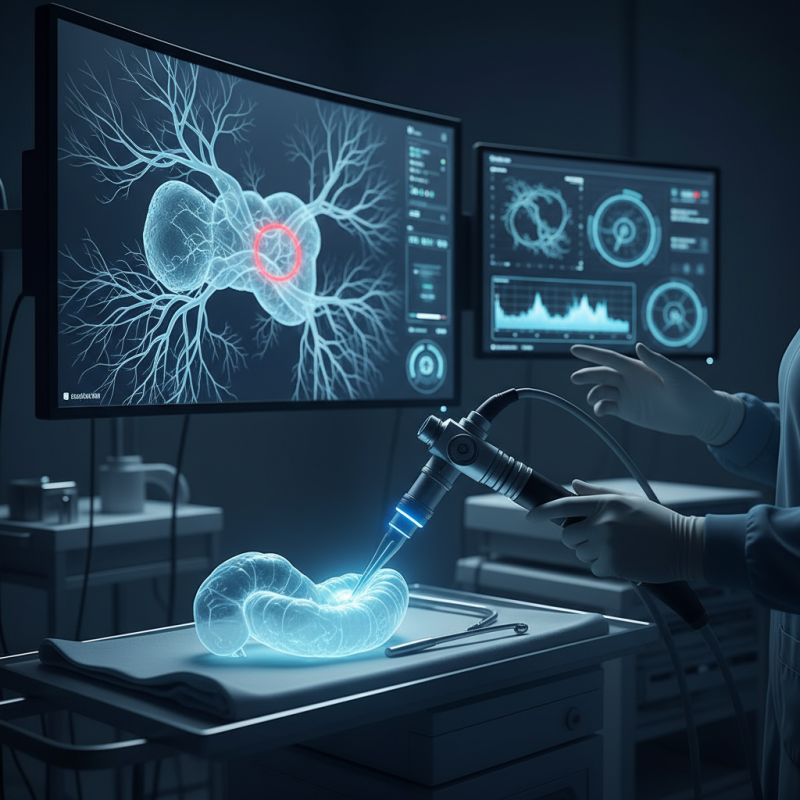
Advanced endoscopy systems represent a significant leap in medical technology. These systems allow for detailed visualization of internal organs. They enhance diagnostic accuracy and therapeutic interventions. With high-definition cameras and advanced imaging techniques, doctors can see structures more clearly, resulting in fewer complications during procedures.
Advanced endoscopes often incorporate several features. Many have enhanced light sources that improve visibility. Others utilize flexible designs that allow access to difficult-to-reach areas. This makes them effective for a variety of procedures, from routine screenings to complex surgeries. The integration of artificial intelligence also aids in identifying anomalies. However, not all facilities have access to the latest technology.
Despite these improvements, challenges remain. The learning curve for medical staff can be steep, and training is essential for maximizing the benefits of these systems. Furthermore, cost considerations may limit their availability in some regions. Ongoing evaluation of these systems ensures they meet clinical needs effectively.
With advancements continuing, it is crucial to reflect on accessibility and training as we embrace new technologies.
Advanced endoscopy systems are transforming medical diagnostics and procedures. Their effectiveness stems from several key features that enhance the overall experience for both patients and healthcare providers. High-definition imaging technology allows for clearer visuals during procedures. According to a study published in the *Gastroenterology* journal, enhanced imaging can increase detection rates of early-stage conditions up to 25%. This improvement is crucial for timely interventions.
Another crucial feature is the use of minimally invasive techniques. These methods significantly reduce recovery time and patient discomfort. A recent report by the World Health Organization indicated that outpatient endoscopy procedures have grown by 40% in the last five years. This trend highlights the preference for less invasive options that maintain high diagnostic accuracy.
Tips: Always seek information from certified healthcare professionals. Understanding the nuances of advanced endoscopy can help patients prepare mentally and physically for procedures. It's essential to discuss potential risks and benefits thoroughly. Not every technology is suitable for everyone, and reflection on personal health conditions is necessary. Awareness of these elements can lead to better patient outcomes and satisfaction.
Advanced endoscopy systems significantly enhance diagnostic accuracy compared to traditional methods. They provide high-definition imaging and improved visualization of gastrointestinal structures. These systems utilize advanced optics and illumination, making it easier to identify abnormalities, such as polyps or tumors. With sharper images, doctors can make better decisions about patient care.
Additionally, advanced systems often include features like narrow-band imaging. This technology highlights vascular patterns, which can be crucial for early cancer detection. Traditional methods may miss subtle changes in tissue. As a result, there is a higher chance of receiving a late diagnosis. This difference underscores the importance of leveraging cutting-edge technology in endoscopy.
However, the transition to advanced systems is not without challenges. Training medical staff is essential for maximizing their potential. Not all facilities can afford the latest technology. This raises questions about equal access to care. As healthcare evolves, finding a balance between innovation and availability will remain a critical discussion.
Advanced endoscopy has transformed clinical practices with its innovative applications. This technology enhances diagnostic capabilities and therapeutic interventions. It enables precise visualization of internal organs, leading to better outcomes for patients. One major area of application is gastrointestinal procedures. Here, advanced endoscopy allows for real-time imaging and manipulation, reducing the need for invasive surgeries.
In respiratory medicine, advanced endoscopy aids in the examination of the lungs. It helps in the detection of diseases at early stages, improving treatment options. This technology also offers a less traumatic experience for patients. However, it requires skilled professionals who are trained to use these advanced tools effectively.
Tips for healthcare providers: Ensure continuous education on the latest endoscopic techniques. Investing time in simulation training can enhance proficiency. Always prioritize patient comfort and consent during procedures. Emphasizing these aspects can lead to more successful outcomes, but be aware that not every case may yield perfect results, requiring reflection and adaptation in practice.
Advancements in endoscopy are reshaping medical practices. New technologies are driving innovation in imaging, instrumentation, and automation. Data analysis tools enhance diagnostic accuracy and improve patient outcomes. Minimally invasive procedures are more common, reducing recovery times.
Artificial intelligence is now a significant trend in endoscopy. It assists physicians in detecting abnormalities quickly. However, reliance on AI raises concerns. It’s essential for clinicians to maintain diagnostic skills despite technological support. The integration of AI will require ongoing training and adaptation.
Moreover, developments in imaging techniques are noteworthy. High-definition and 3D imaging offer clearer views of internal structures. This clarity can lead to better decision-making during procedures. Nevertheless, the challenge remains to keep these technologies accessible for all healthcare providers. Balancing innovation with practical application is crucial for the future of endoscopy.
: They provide high-definition imaging, improving visualization and detection rates of early-stage conditions.
They reduce recovery time and discomfort, making procedures more comfortable and efficient for patients.
Proper training maximizes the potential of new technologies and ensures better patient care and outcomes.
It highlights vascular patterns, aiding in the early detection of cancer compared to traditional methods.
No, not every technology suits every patient, and personal health conditions should be reviewed thoughtfully.
High costs and the need for equal access to care are significant considerations when implementing new technologies.
AI assists in detecting abnormalities quickly, though it’s crucial for doctors to maintain their diagnostic skills.
New imaging techniques, minimally invasive procedures, and automation are driving innovations in the field.
They should discuss potential risks and benefits with healthcare professionals to prepare effectively.
Enhanced clarity from 3D and high-definition images leads to better, informed decisions during medical procedures.
Advanced endoscopy systems have revolutionized the field of minimally invasive procedures, significantly improving diagnostic and therapeutic capabilities. These systems are defined by their enhanced imaging technologies, flexibility, and advanced tools that allow for more precise interventions. Key features contributing to their effectiveness include high-resolution imaging, real-time analysis, and improved maneuverability, which together enable clinicians to perform complex procedures with greater accuracy and safety.
A comparative analysis highlights the advantages of advanced endoscopy over traditional methods, showcasing reduced patient recovery times and lower complication rates. Their applications in clinical practices extend to various fields, including gastroenterology and pulmonology, showcasing their versatility. As technology evolves, future trends point towards further innovations that promise to enhance the effectiveness of endoscopy systems. Ultimately, what makes endoscopy systems more effective lies in their ability to provide superior visualization and control, leading to better patient outcomes.

Suffolk Medical