Choosing the right gynecological examination chair is crucial for both patient comfort and clinician efficiency. It affects the overall quality of care. How to select a gynecological examination chair involves critical considerations. Factors include adjustability, stability, and ease of use. An ideal chair should accommodate various patient needs, ensuring a respectful environment.
Providers often overlook details like material quality and ease of cleaning. These affect hygiene and long-term durability. Thoughtful design can enhance the experience for both patients and healthcare professionals. It's important to weigh options carefully and seek advice from trusted sources. Each choice impacts the clinic's reputation and patient trust.
Investing time in this decision reveals deeper insights into practice operations. Reflection on specific needs can guide selection. Every clinic is unique, and what works for one may not suit another. Therefore, understanding how to select a gynecological examination chair is a vital step towards improving health outcomes.
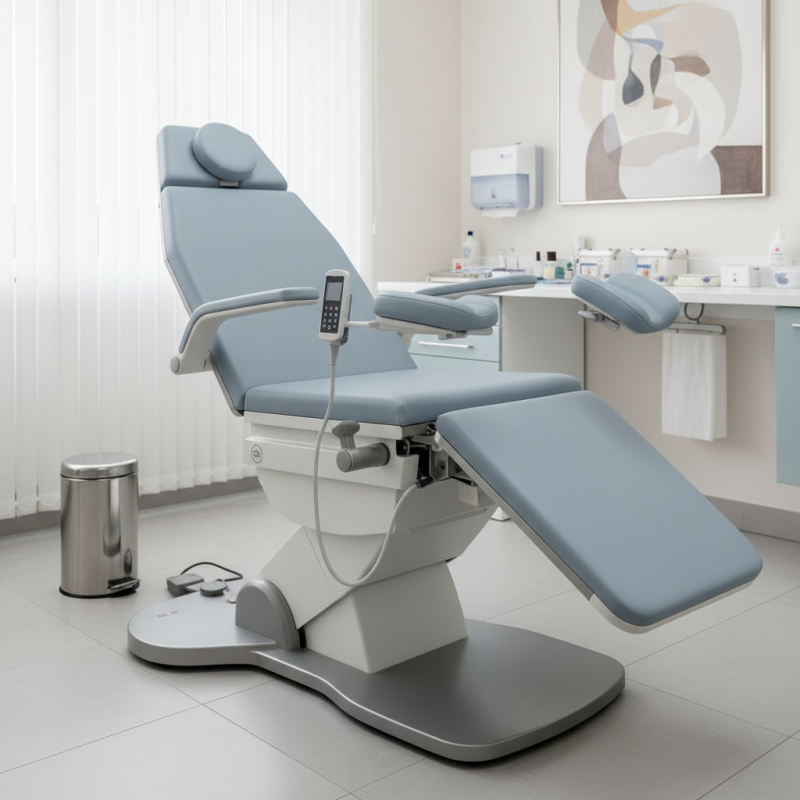
When selecting a gynecological examination chair, comfort is paramount. The chair should support the patient's body well. Look for features like adjustable backrests and leg rests. These allow for better positioning during examinations. Upholstery should be made from easy-to-clean materials to maintain hygiene. Soft padding is essential for comfort, as long procedures can be stressful.
Another important factor is stability. The chair should have a sturdy base to support various movements. It must withstand the weight of both the patient and the healthcare provider. Consider whether the chair has a locking mechanism to prevent unwanted movement. Additionally, examine the height adjustments. This can significantly ease the strain on medical staff, aiding in a smoother examination process.
Accessibility features also deserve attention. The design should cater to patients with mobility challenges. A chair with a wide seat and low height can assist those who have difficulty climbing onto it. Easy-to-operate controls enhance usability for healthcare providers, promoting efficiency. Reflect on the needs of your practice and the populations you serve. The right chair can make a difference in patient care and comfort.
When selecting a gynecological examination chair, it's essential to consider the various types available and their unique features. There are electric models that offer adjustable heights and flexibility. These chairs can easily adapt to different body sizes and patient needs, making examinations smoother and more comfortable.
Manual chairs are another option. They often come with simpler designs that may lack advanced adjustments. However, they can be more cost-effective and require less maintenance. While they provide a basic setup, practitioners should think about how this may affect patient comfort during examinations.
Lastly, there are chairs with additional features like stirrups and armrests. Features like these enhance patient support and accessibility. Consider whether these added functionalities meet the specific requirements of your practice. Each type presents its own advantages and challenges. Evaluating these aspects can lead to better patient experiences and improved examination efficiency.
When selecting a gynecological examination chair, ergonomics and comfort are essential factors. A well-designed chair greatly impacts the patient's experience. Comfort can alleviate anxiety and enhance the quality of care. Features like adjustable height and reclining capabilities allow for greater flexibility during examinations. An ergonomic design helps support the healthcare provider's posture. This can prevent strain during long hours of use.
Patients may have mixed feelings about examinations. Some may feel vulnerable or anxious. An inviting chair can help ease these feelings. Materials that are easy to clean yet soft to the touch can make a difference. Cushioning should provide support without being too firm. Consideration of a footrest can also enhance comfort. However, not all chairs will meet these criteria, and thus critical evaluation is necessary.
While ergonomic chairs are beneficial, they can come with a higher price tag. Budget constraints may force a compromise between quality and cost. It’s crucial to assess the specific needs of both patients and practitioners. Regular feedback from users can reveal areas for improvement. This ongoing evaluation is key to ensuring that the chosen chair truly meets the importance of comfort and functionality.
When purchasing a gynecological examination chair, budget considerations are crucial. Examine your financial limits carefully. Chairs can vary significantly in price, and it’s essential to set a realistic budget before exploring options. Look for chairs that balance cost and quality. Investing in a well-engineered chair can enhance patient comfort and improve the overall examination experience.
Consider durability and maintenance costs, too. A cheaper chair may lead to higher long-term expenses due to repairs or replacements. Examine warranties and customer service offered by manufacturers. If possible, consult colleagues or industry professionals. Their insights may reveal hidden costs. Reflect on your facility's needs and how often the chair will be used. Higher usage may justify a more substantial investment.
Don’t overlook additional features while budgeting. Some chairs come with advanced functionality but may exceed the budget. Evaluate what features are essential versus optional. A thorough analysis can prevent buyer’s remorse later. Prioritize the balance between your immediate financial constraints and future needs for patient care. Always seek advice from experts. Their assessments could guide you towards a sound financial decision.
| Feature | Description | Price Range (USD) |
|---|---|---|
| Adjustable Height | Allows customization for patient comfort and practitioner accessibility. | $800 - $2500 |
| Stirrups | Optional accessory for gynecological examinations, enhancing patient positioning. | $200 - $600 |
| Upholstery Material | Durable and easy to clean materials that ensure comfort and hygiene. | Included in chair price |
| Reclining Mechanism | Provides various positioning options for better examination access. | $600 - $1800 |
| Weight Capacity | Ensure the chair supports a wide range of body weights for all patients. | N/A |
| Warranty | Length of warranty can reflect durability and quality assurance. | N/A |
The maintenance and longevity of gynecological examination chairs are critical for any healthcare facility. Regular maintenance ensures that the equipment operates effectively and provides comfort to patients. Routine checks on the hydraulic systems, upholstery condition, and electrical components can prevent larger issues.
Consider implementing a monthly inspection schedule. This proactive approach helps identify wear and tear early. Clean upholstery with appropriate disinfectants. This not only maintains hygiene but also extends the life of the materials used.
Tips: Always consult the manufacturer's guidelines for maintenance specifics. Staff training is vital for ensuring that everyone knows how to operate the chair correctly and safely. Lastly, encourage feedback from users to identify potential areas for improvement. This feedback loop can enhance both the equipment's lifespan and the overall examination experience.
: Comfort is essential. The chair must support the patient's body well during exams.
Adjustable backrests and leg rests allow for better positioning, enhancing comfort for patients and ease for clinicians.
A sturdy base prevents unwanted movement. It helps support both the patient and healthcare provider effectively.
A wide seat and low height aid patients with mobility issues. Easy-to-use controls improve operational efficiency.
An ergonomic chair supports better posture. This reduces strain during long examination hours.
Consider initial cost, durability, and maintenance expenses. Balance quality with the financial limits carefully.
Yes, cheaper chairs may lead to higher long-term repair costs. Consult colleagues for insights on potential expenses.
Regular feedback from users helps identify areas needing improvement. This aids in ensuring comfort and functionality.
High usage frequency justifies spending more. It reflects on the importance of regular patient care and comfort.
Assessing features can prevent buyer's remorse. Prioritizing what is necessary helps align the purchase with budget constraints.
When considering how to select a gynecological examination chair, several key factors come into play. First, it is essential to understand the different types of chairs available and their respective features, as this can significantly impact patient comfort and clinician ease during examinations. Ergonomics play a crucial role, as a well-designed chair enhances comfort for both the patient and the healthcare provider.
Budget considerations are also paramount, as the cost of a gynecological examination chair can vary widely. It’s important to find a balance between high-quality features and affordability. Finally, maintenance and longevity should not be overlooked, as a durable chair will serve the clinic well over time. By taking these elements into account, healthcare providers can make informed decisions that prioritize both functionality and comfort in their practice.

Suffolk Medical